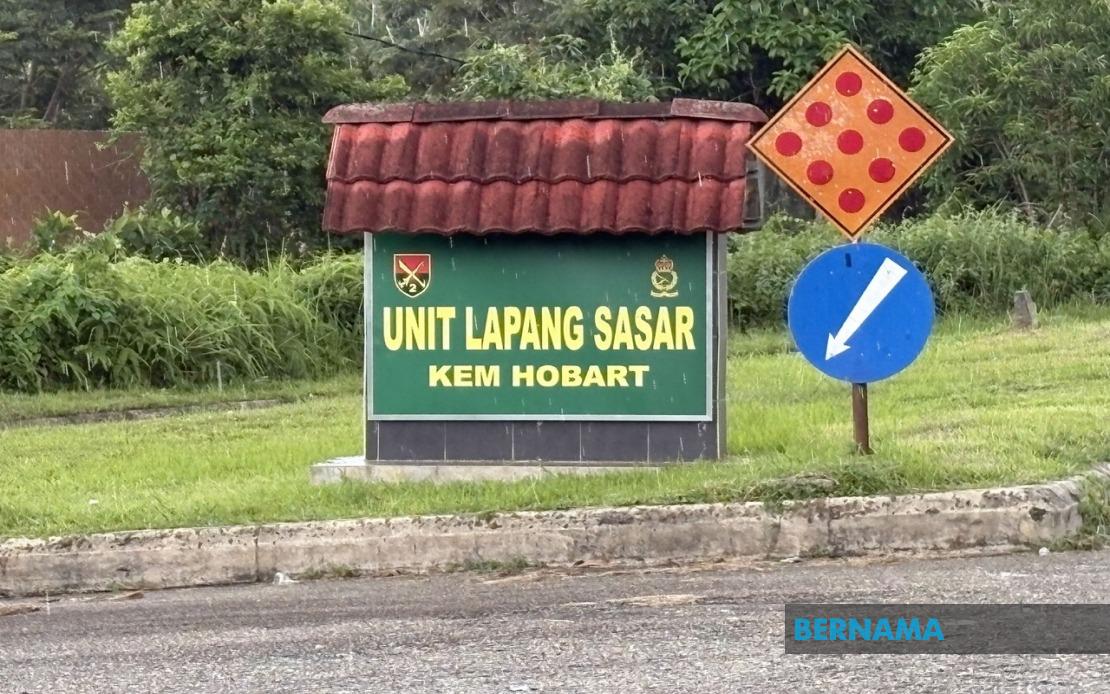
A fatal explosion during a combat training exercise at Hobart Camp in Gurun has claimed the lives of two Malaysian Army personnel, prompting authorities to launch a comprehensive investigation involving witness statements and forensic examination. The incident occurred on June 16 during a grenade-throwing drill conducted by the First Squadron of the Royal Malaysian Engineers Regiment, marking a tragic setback in the military's ongoing training operations in Kedah.
Kuala Muda police chief ACP Hanyan Ramlan confirmed that officers will systematically record statements from all witnesses present at the training ground to establish a complete picture of events leading up to the explosion. The police department has classified the matter as a sudden death investigation, a standard protocol when fatalities arise from unusual circumstances requiring detailed procedural scrutiny and evidence gathering. Investigators will coordinate closely with military officials and other relevant agencies to ensure thorough examination of the scene and collection of testimonial evidence.
The two victims have been identified as Corporal Norazmi Abu Bakar from the Sixth Battalion of the Royal Malay Regiment and Private Siti Khadijah Sungip from the First Squadron of the Royal Malaysian Engineers Regiment. Both personnel were participating in heavy weapons training as part of the Combat Enhancement Training programme conducted by the Second Infantry Division. Siti Khadijah's involvement marks a notable point in the incident, as female military personnel increasingly participate in combat-focused roles within the Malaysian Armed Forces.
The explosion occurred at approximately 10.57 am during what was intended as a routine training exercise designed to develop soldiers' proficiency with grenades and related ordnance. Both casualties sustained severe injuries from the blast and were immediately transported to Sultan Abdul Halim Hospital in Sungai Petani for emergency medical treatment. Despite rapid medical intervention, neither personnel survived the journey to hospital, with both pronounced dead upon arrival or shortly thereafter.
Following procedures for military fatalities under investigation, the remains of both victims were transferred to Sultanah Bahiyah Hospital in Alor Setar for post-mortem examinations. These forensic procedures will provide critical information about the nature and extent of injuries sustained, potentially offering insight into the explosion's mechanics and circumstances. The post-mortem findings will complement the police investigation and may assist in determining whether procedural violations, equipment malfunction, or other factors contributed to the tragedy.
The Malaysian Army had officially acknowledged the incident earlier in the day, confirming that the explosion occurred during the grenade-throwing segment of the Combat Enhancement Training programme. This acknowledgement underscores the military's commitment to transparency while investigations proceed. The incident raises questions about safety protocols employed during live weapons training, a critical concern for armed forces worldwide where training-related fatalities represent a persistent occupational hazard.
The Hobart Camp facility in Gurun serves as a significant training centre for Malaysian military units, hosting various combat and weapons proficiency courses throughout the year. The incident has highlighted the inherent risks associated with heavy weapons training, even when conducted under controlled conditions with established safety procedures. Military authorities will likely conduct their own separate inquiry into whether existing protocols were followed and whether additional safeguards should be implemented.
For the families of Corporal Norazmi Abu Bakar and Private Siti Khadijah Sungip, the investigation represents both a search for answers and an acknowledgement of their sacrifice in service to the nation. The military community has traditionally observed respectful protocols in responding to training-related deaths, balancing the need for thorough investigation with recognition of the fallen personnel's commitment. This incident will undoubtedly prompt discussions within military circles regarding whether current safety measures during live training exercises require enhancement or modification.
The cooperation between police investigators and military authorities will prove essential in reconstructing the sequence of events that led to the explosion. Witness statements from fellow soldiers present during the training exercise will provide first-hand accounts of conditions, procedures, and any unusual occurrences immediately preceding the incident. Such evidence, combined with forensic analysis and examination of equipment, should provide a comprehensive understanding of what transpired.
For Malaysian service members and their families, this tragedy underscores the genuine dangers inherent in military training, particularly with live ordnance and heavy weapons. The investigation findings will likely be made available to military leadership for incorporation into revised training protocols, potentially influencing how similar exercises are conducted across the armed forces. The incident serves as a sobering reminder that even routine training operations carry significant risk, and that continuous evaluation of safety measures remains essential.
The coming weeks will see investigators working methodically through witness interviews, scene analysis, and forensic reports to establish a complete account of the events at Hobart Camp. The thoroughness of this investigation will be closely watched by military personnel nationwide, as the findings may shape future training procedures and safety requirements. For now, attention remains focused on honouring the memory of the two fallen soldiers while pursuing the truth about how this tragedy occurred.


