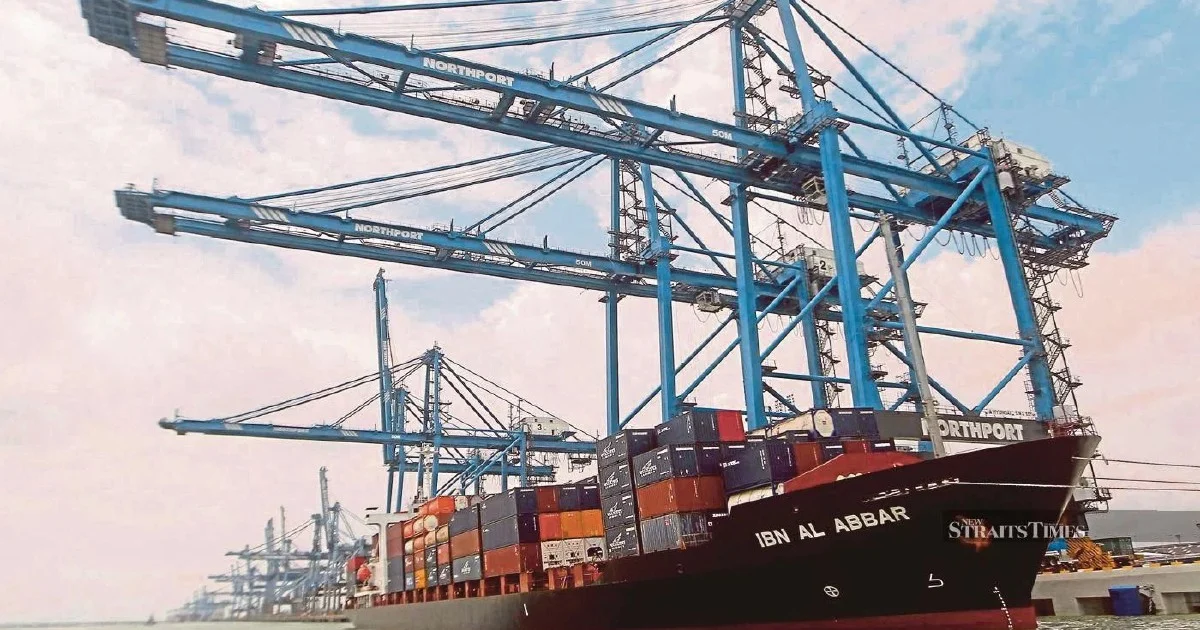
Malaysia's ambitious Port Klang 3 development project is expected to move into active construction phases later this year, provided that outstanding land acquisition and regulatory matters with the Selangor state government are satisfactorily concluded. Transport Minister Anthony Loke outlined this timeline during remarks at Port Klang, affirming that the scheme remains a priority within the government's broader infrastructure agenda despite the administrative obstacles that have delayed groundbreaking activities to date.
The Port Klang 3 initiative represents a critical expansion of the nation's busiest maritime gateway, which has consistently ranked among Asia's largest container ports. The project is designed to substantially increase the facility's handling capacity and modernize its operational infrastructure to accommodate anticipated growth in regional container traffic over the coming decades. For Malaysia's logistics and trade sectors, successful execution of this scheme would reinforce the country's competitive position in Southeast Asian shipping networks while potentially creating thousands of direct and indirect employment opportunities across construction, operations, and related service industries.
Land tenure complications have emerged as the primary impediment to launching construction activities, requiring coordination between federal port authorities and the Selangor state administration to establish clear property rights and usage agreements. Such jurisdictional issues are not uncommon in large-scale Malaysian infrastructure projects where federal and state governments maintain overlapping regulatory authority. The minister's comments suggest that substantive negotiations have progressed sufficiently that final resolution appears achievable within the near term, though no specific deadline was provided for when these discussions would conclude.
The transport ministry's continued confidence in the project's viability underscores its strategic importance to national economic planning. Port Klang currently operates near maximum capacity during peak shipping seasons, creating bottlenecks that occasionally disadvantage Malaysian exporters competing for time-sensitive international contracts. Port Klang 3 would provide essential relief to this congestion while positioning Malaysia to capture a larger share of regional transshipment cargo that might otherwise be routed through competing facilities in Singapore, Thailand, and Indonesia.
From a Southeast Asian perspective, the expansion carries implications that extend beyond Malaysia's borders. Singapore's port authority and other regional competitors are themselves investing heavily in terminal modernization and expansion, creating an increasingly competitive landscape for container traffic. Port Klang's success in executing timely capacity improvements could influence broader patterns of cargo flow throughout the Strait of Malacca corridor and influence the distribution of shipping services across the region for years to come.
The financial dimensions of Port Klang 3 remain significant, though specific investment figures have not been extensively publicized. Large container port projects typically require capital expenditures in the tens of billions of ringgit, encompassing dredging, reclamation, berth construction, and acquisition of modern cargo-handling equipment. Public-private partnership arrangements have become increasingly common in Malaysian port development, potentially distributing risk between government agencies and private sector operators with specialized expertise in terminal management and maritime logistics.
Loke's assurance regarding the project's trajectory offers reassurance to stakeholders who have monitored delays with concern. Shipping lines, freight forwarders, and logistics companies that depend on Malaysia's port infrastructure have expressed interest in expansion timelines, as capacity constraints affect their operational efficiency and competitiveness. Industry consultations have likely influenced the government's prioritization of resolving outstanding administrative barriers to allow construction to proceed without further postponement.
The political commitment to advancing Port Klang 3 reflects recognition within Malaysian leadership that ports represent foundational assets for economic competitiveness. Transportation networks and associated logistics infrastructure significantly influence foreign investment decisions and the locational preferences of multinational corporations choosing among Southeast Asian jurisdictions for regional manufacturing and distribution hubs. A modern, efficient port facility strengthens Malaysia's overall value proposition as an investment destination.
Time-sensitive factors also motivate accelerating the development timeline. Global shipping patterns continue evolving in response to technological innovation, changing trade routes, and shifts in manufacturing location preferences among major multinational companies. Delaying Port Klang 3 risks rendering portions of the eventual facility less well-suited to future maritime requirements than would be the case if construction proceeded promptly based on current projections of demand and vessel characteristics. The window for capitalizing on anticipated container growth may gradually narrow if the project experiences further substantial delays.
Loke's statements suggest that the transport ministry has maintained active engagement with Selangor authorities to facilitate timely resolution of property and land-use issues. The collaborative tone of the minister's remarks implies optimism that both levels of government recognize mutual benefits in enabling the project to advance. Successful navigation of these jurisdictional complexities would demonstrate the capacity of Malaysian federal and state authorities to align on major economic infrastructure despite their distinct administrative responsibilities.
Looking ahead, construction commencement in 2024 would position Port Klang 3 for phased capacity additions extending across several years, with initial operational sections becoming active in the latter part of the decade. This gradual commissioning approach allows the port to absorb new capacity incrementally while managing operational disruptions during the development process. For Malaysian shippers, traders, and logistics professionals, movement toward active construction would represent tangible progress on a project that promises substantial medium-term competitive advantages.