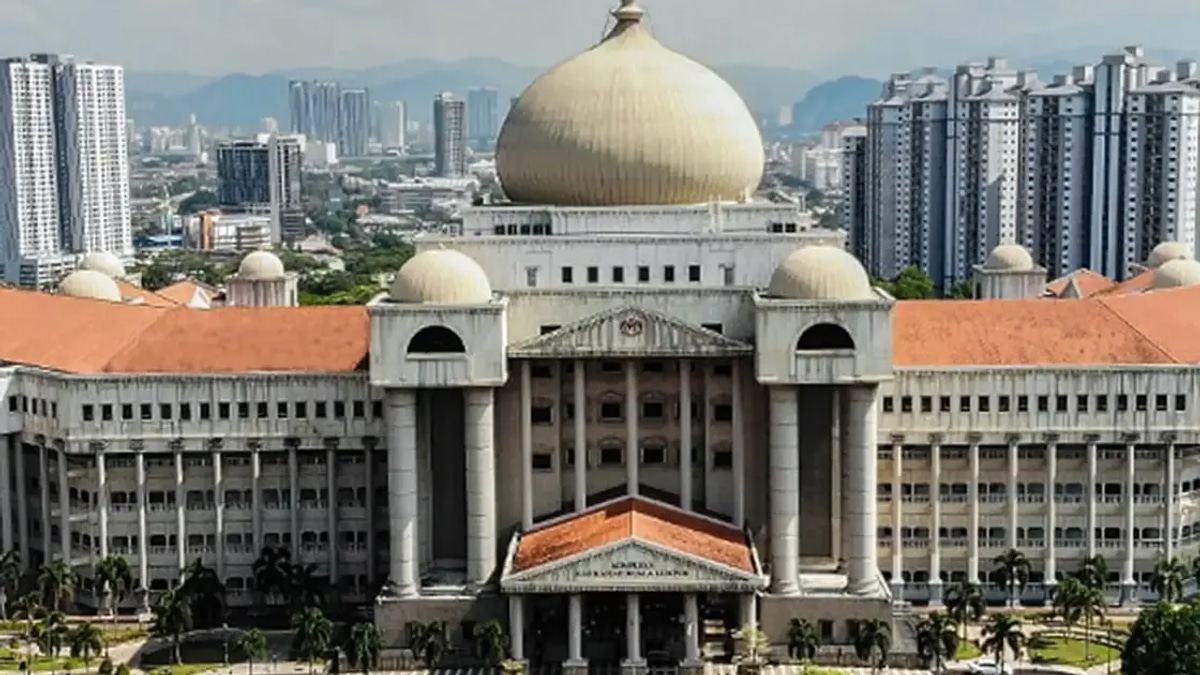
Malaysia's federal administrative centre Putrajaya faces mounting expectations to maintain exemplary cleanliness and safety standards as it continues to attract visitors, with Minister in the Prime Minister's Department (Federal Territories) Hannah Yeoh making clear that no allowances will be made on these critical issues.
Yeoh's statement underscores heightened focus on Putrajaya's operational readiness and public-facing standards, particularly as the carefully planned capital has positioned itself as a destination meriting visits from both domestic and international guests. The emphasis on uncompromising protocol reflects broader governmental priorities around maintaining the image and functionality of the nation's primary administrative seat.
The federal territories minister's position carries particular weight given her portfolio's direct oversight of Putrajaya's management and development. By declaring that cleanliness and safety benchmarks admit no exceptions, Yeoh signals that responsible agencies and contractors operating within the capital will face accountability for any shortfalls. This framework-setting approach establishes clear expectations across multiple departments and service providers involved in Putrajaya's day-to-day operations.
Putrajaya's visitor economy has demonstrated consistent growth over recent years, driven by both its architectural distinctiveness and strategic positioning as a symbol of Malaysia's administrative prowess. The steady increase in foot traffic through government buildings, public gardens, and commercial precincts naturally elevates demands on maintenance crews, security personnel, and facility managers. Without decisive management and resource allocation, such mounting pressure could compromise the carefully curated standards that distinguish the capital from other urban centres.
The minister's remarks arrive at a moment when Malaysian public administration increasingly faces scrutiny regarding operational excellence and citizen satisfaction. Standards of cleanliness and safety represent measurable, visible indicators of governmental competence, making them politically significant beyond their intrinsic importance. Visitors' first impressions of Putrajaya often shape broader perceptions of Malaysia's institutional effectiveness and national image.
Implementing robust cleanliness regimes requires sustained coordination between multiple agencies, including the Federal Territories municipal authority, security forces, and private contractors. The complexity of such coordination means that Yeoh's statement likely signals directives flowing downward through bureaucratic channels to frontline workers and supervisory staff. Success hinges not merely on intention but on adequate funding, training, and monitoring mechanisms.
Safety considerations encompass both physical infrastructure maintenance and incident prevention protocols. In a facility hosting thousands of daily visitors alongside government operations, risks range from slip hazards and inadequate emergency procedures to security vulnerabilities. The ministerial directive implicitly acknowledges that safety cannot be treated as an afterthought or delegated entirely to junior staff without appropriate oversight.
For Putrajaya specifically, maintaining these standards represents an investment in institutional legitimacy. A capital city that appears poorly maintained or unsafe risks undermining confidence in governmental institutions themselves. Conversely, demonstrable commitment to rigorous standards enhances public trust and reflects broader competence in administrative management.
Yeoh's unequivocal language suggests that previous lapses may have prompted the ministerial intervention, though specific incidents were not detailed. Establishing publicly stated non-negotiable standards creates a baseline against which performance can be measured and accountability assigned. This approach is consistent with contemporary governance trends emphasising transparent benchmarks and measurable outcomes.
The implications extend beyond Putrajaya itself. As Malaysia positions itself as a regional leader in institutional development and urban planning, maintaining exemplary standards in the federal capital serves as a template for other government facilities and public spaces. Putrajaya can either reinforce or undermine national ambitions regarding governance excellence.
Looking forward, translating ministerial directives into sustained operational improvements requires sustained resource allocation and quality control mechanisms. One-off enforcement efforts prove insufficient for maintaining standards across a sprawling administrative complex serving thousands of daily users. Systemic approaches incorporating staff training, community engagement, and technology-enabled monitoring typically prove more durable than episodic crackdowns.
The minister's statement also carries implications for Putrajaya's long-term strategic positioning. As competition intensifies among Southeast Asian capitals for investment, tourism, and institutional prestige, operational excellence in cleanliness and safety becomes a competitive factor. Nations and cities perceived as well-managed and safe attract higher-quality investment and talent.