Malaysia's fire department has sounded an urgent alarm over the hidden danger lurking in homes across the nation: the innocent act of charging mobile phones and electronic devices. Between 2023 and 2025, unsafe charging practices triggered 59 separate fire incidents that ravaged homes and destroyed approximately RM14.2 million in property. The scale of this largely preventable crisis underscores a critical gap in public awareness about fire safety in everyday life, particularly as Malaysian households increasingly depend on personal electronics.
The geographic distribution of these incidents reveals troubling vulnerabilities in certain regions. Sarawak has emerged as the hardest-hit state, with nearly 11 separate fires claiming losses totalling RM9,707,956—accounting for roughly 68 percent of all financial damages nationwide. Kelantan follows with 17 recorded cases amounting to RM1,147,400 in losses, while Sabah experienced three incidents causing RM806,800 in destruction. This concentration suggests that factors specific to these regions—whether related to infrastructure, housing types, or awareness levels—may be amplifying the risk. Selangor, despite its much larger population, recorded only five cases totalling RM661,040, while Penang documented nine incidents with RM537,125 in damages. Johor, Putrajaya, Melaka, Terengganu and Perak rounded out the affected states with progressively smaller loss figures.
Notably, six states recorded no device-charging-related fire incidents during this period: Kedah, Negri Sembilan, Pahang, Perlis, Kuala Lumpur and Labuan. This variation across Malaysia's geography suggests that targeted regional interventions might prove effective. The silver lining in this troubling data is that no fatalities were recorded across any of the 59 incidents, a fortunate outcome given the destructive potential of such fires, yet a figure that masks the profound disruption and financial hardship these events cause to affected families.
Fire investigations into these incidents reveal that each case presents unique investigative challenges that cannot be reduced to simple metrics of loss or fire size. The Fire and Rescue Department of Malaysia has emphasised that determining the root causes requires meticulous examination of multiple variables: the precise location where the fire began, the specific device that malfunctioned, the condition of physical evidence that may have been compromised by heat and flames, hazards present during on-site investigation, and complex technical analysis of charger components and battery behaviour. The most resource-intensive investigations often involve modest financial losses but intricate technical puzzles, demanding expertise in electrical engineering and materials analysis rather than simply assessing the magnitude of visible damage.
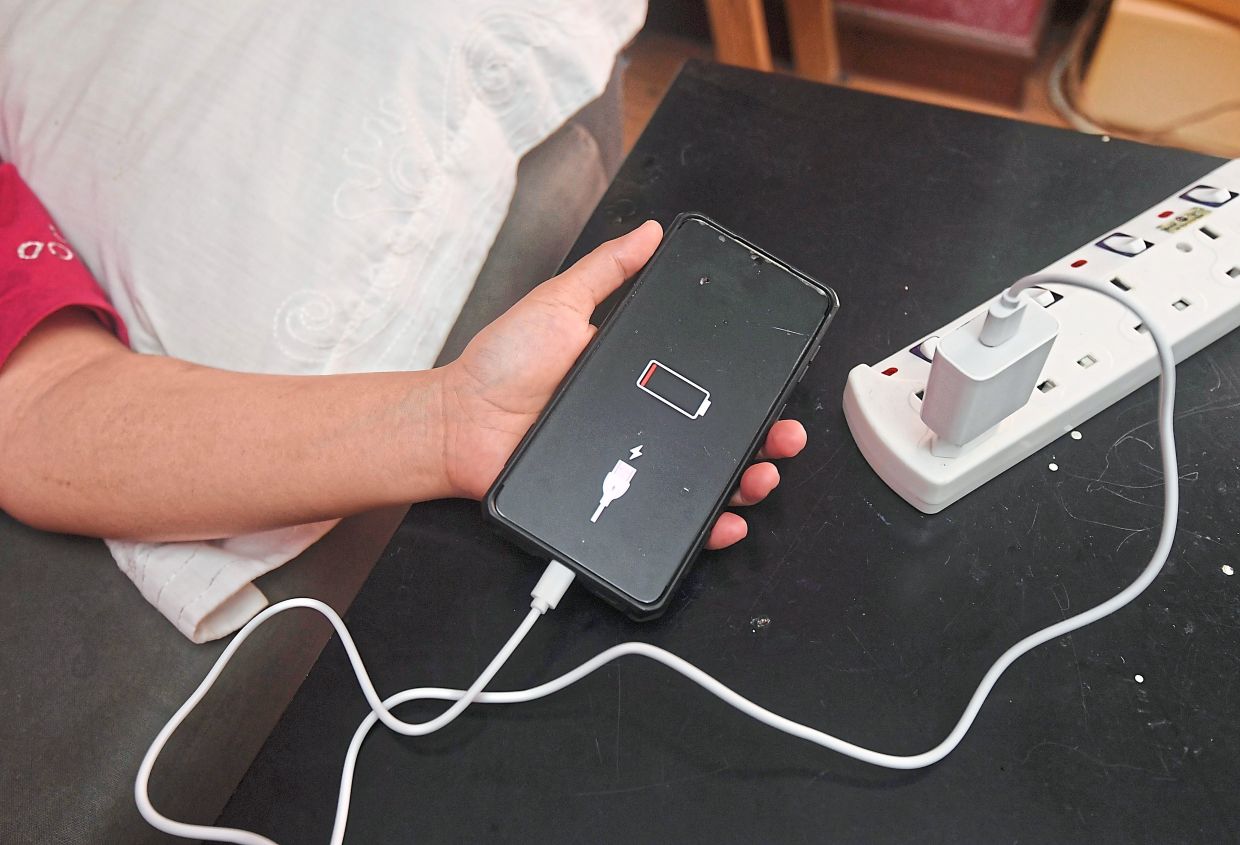
When investigators drill down into the actual practices fuelling these fires, a consistent pattern emerges: negligence born from convenience and cost-cutting. Many incidents trace back to overnight charging left unattended—a seemingly harmless routine for millions of Malaysians who plug in their phones before sleep. The department has also identified widespread use of uncertified chargers and counterfeit or substandard charging cables, often purchased because they cost significantly less than genuine alternatives. A particularly dangerous habit involves charging devices on soft furnishings: mattresses, pillows, sofas and blankets all act as insulators that trap heat, preventing chargers from dissipating temperature safely. These soft surfaces can also catch fire if a malfunctioning charger reaches ignition temperature.
Beyond these headline risks, investigators have documented additional hazardous practices that multiply fire danger. Power strips and extension cords frequently become overloaded when users simultaneously charge multiple devices, exceeding safe amperage limits and causing internal wiring to overheat. Equally alarming is the continued use of visibly compromised devices: batteries swollen to the point of deforming their casings, chargers that emit burning smells, cables showing scorch marks or fraying, and adapters that grow uncomfortably hot during operation. Each of these warning signs indicates that thermal runaway or electrical arcing could occur at any moment, potentially igniting nearby materials.
Underlying this epidemic of preventable fires is a persistent consumer culture that privileges price over safety. The department's investigation has found that many Malaysians consciously choose cheaper electrical accessories despite understanding—or at least suspecting—that they may not meet international safety standards. This purchasing decision directly increases the probability of acquiring equipment that lacks proper voltage regulation, adequate insulation, or surge protection. Substandard chargers are more prone to overheating, developing short circuits that can spark, or failing in ways that cause sustained electrical arcing. Manufacturers of counterfeit chargers prioritise cost reduction over safety features, often using inferior components and inadequate testing protocols.
The absence of proper certification compounds these risks. Malaysia's SIRIM (Standards and Industrial Research Institute of Malaysia) certification represents a baseline assurance that products have undergone rigorous testing and meet established safety thresholds. Yet many consumers remain unaware that SIRIM-certified chargers exist or believe the cost premium is unjustifiable. The fire department has therefore prioritised educating the public about the tangible connection between certification and home safety, making the case that spending an extra five to ten ringgit on a certified charger represents a worthwhile investment in preventing a catastrophic fire.
This challenge reflects a broader pattern affecting fire prevention in Malaysia: public awareness initiatives struggle to penetrate everyday decision-making. While most Malaysians intellectually understand that fire is dangerous, translating that knowledge into changed behaviour—avoiding overnight charging, replacing damaged cables, purchasing certified equipment—requires sustained reinforcement and culturally resonant messaging. The fire department recognises that a single safety campaign, however well-designed, cannot overcome ingrained habits and economic pressures that push consumers toward cheaper alternatives.
Moving forward, the department has pledged to intensify its multipronged approach combining fire safety education campaigns, preventive outreach programs, and strategic partnerships with relevant government agencies and private sector stakeholders. These partnerships could potentially include major mobile phone retailers agreeing to stock only certified chargers, telecommunications companies incorporating safety messages into customer billing materials, or insurance providers offering premium discounts for homes with certified electrical equipment. Educational initiatives must target not only general consumers but also specific demographics—parents who charge children's devices, elderly persons less familiar with modern electronics, and recent immigrants unfamiliar with Malaysian safety standards.
For Malaysian households, the message from fire investigators is unambiguous: device charging requires the same safety consciousness applied to cooking or handling flammable materials. Simple precautions can virtually eliminate this category of home fire. Never leave devices charging overnight without supervision; never charge on soft furnishings or near combustible materials; immediately replace any charger, cable or adapter showing physical damage or overheating; use only chargers and cables bearing SIRIM certification or equivalent international safety approval; and resist the temptation to purchase suspiciously cheap electrical accessories. The RM14.2 million in losses documented between 2023 and 2025 represents not merely property damage but a preventable tragedy that continues to strike Malaysian households, waiting for heightened vigilance to finally reverse the trend.