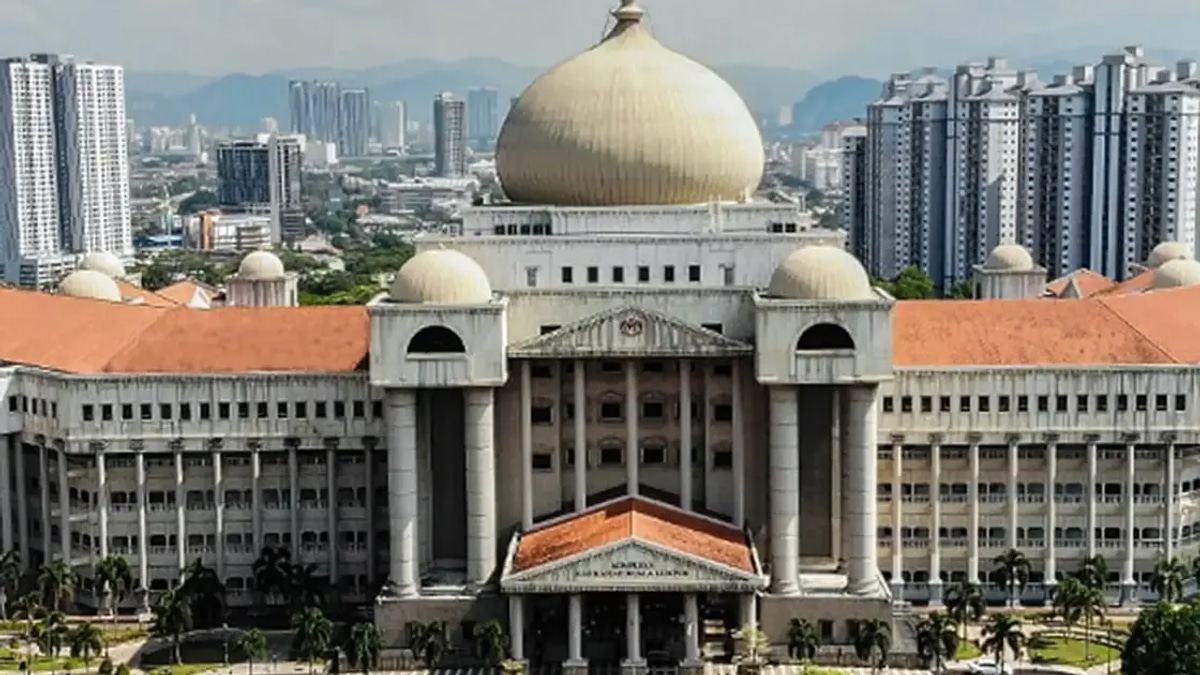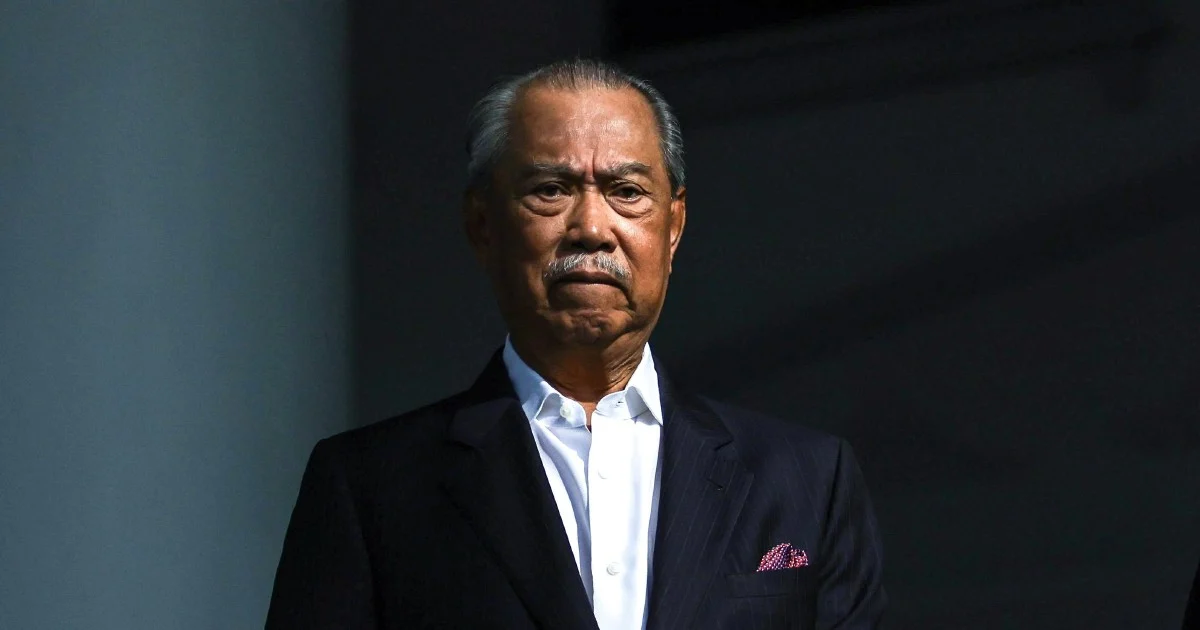
A Malaysian court has upheld a decision to maintain a freeze on approximately RM195 million held in various bank accounts belonging to Bersatu, the Malay-majority political party that has been central to recent shifts in the country's political landscape. The ruling represents a major setback for party operations and marks another chapter in the mounting legal battles surrounding the organisation's governance and leadership structure.
The frozen funds have created acute financial pressures for Bersatu, which relies on these accounts to finance its administrative functions, organisational activities, and political campaigns. With the money inaccessible, the party faces constraints in meeting operational expenses and maintaining the infrastructure necessary to sustain its presence across multiple states. This situation is particularly significant given Bersatu's role as a coalition partner in various state and federal governments throughout Malaysia.
The court's decision reflects broader disputes within and around Bersatu regarding control of party assets and governance authority. These disputes have centred on differing interpretations of party leadership legitimacy and decision-making processes, with multiple factions asserting competing claims over party direction and financial administration. The frozen accounts underscore the severity of these internal divisions and the legal mechanisms being employed to resolve them.
Bersatu, which was established in 2016 by former Prime Minister Mahathir Mohamad, has experienced significant turbulence since its formation. The party has navigated complex political alliances, coalition negotiations, and internal power struggles that have exposed fractures in its organisational cohesion. The current freezing of substantial party resources indicates that these institutional challenges have escalated to the point where judicial intervention has become necessary.
For Malaysian political observers, this development highlights the precarious financial position that political parties can face when internal governance disputes are not resolved through party mechanisms alone. The need for court intervention to manage party assets suggests deficiencies in Bersatu's internal dispute resolution structures and raises questions about how political organisations should establish clearer governance frameworks to prevent such situations.
The financial freeze also has implications for Bersatu's competitive positioning within Malaysia's multi-party system. Political parties require consistent access to funds to maintain electoral machinery, support grassroots organisation, and project influence within government structures. Prolonged restriction on these accounts could weaken Bersatu's ability to pursue political objectives effectively, potentially affecting its influence in coalition governments where it holds ministerial positions.
Regionally, the situation reflects broader challenges facing political parties across Southeast Asia in maintaining institutional integrity and transparent financial management. Malaysia's experience with Bersatu demonstrates how internal political disputes, when unresolved at the party level, can become entangled with legal systems and court processes, creating uncertainty for party members and stakeholders who depend on stable organisational functioning.
The court's maintenance of the freeze suggests judicial determination that the funds should remain secured pending resolution of the underlying disputes about their legitimate use and control. This implies that the court found sufficient basis to conclude that allowing the party unrestricted access to these accounts could prejudice the claims of competing parties or contravene legal obligations. The ruling thus reflects judicial caution regarding the administration of contested assets.
For political analysts examining Malaysian governance, this case demonstrates how disputes about party ownership and control—questions that might seem purely internal—can acquire legal weight and become matters for judicial determination. It raises important questions about the boundary between party autonomy and public interest in ensuring that substantial financial resources are managed responsibly and according to law.
The continued freeze on RM195 million represents a tangible constraint on Bersatu's operational capacity at a time when the party remains involved in governing coalitions at both state and federal levels. Party leaders will face ongoing pressure to resolve the underlying disputes through negotiation or additional legal proceedings that might restore access to these funds, while the party's members and supporters confront the reality of diminished financial resources for political activity.
Looking forward, the situation may prompt broader discussions within Malaysian political circles about strengthening party governance structures, clarifying financial accountability mechanisms, and establishing clearer procedures for resolving internal disputes without resorting to court-imposed asset freezes. Such reforms could help prevent similar situations in other political parties and contribute to more stable and transparent governance of political organisations operating within Malaysia's democratic system.