%22%2F%3E%3C%2Fpattern%3E%3C%2Fdefs%3E%3Crect%20width%3D%22100%25%22%20height%3D%22100%25%22%20fill%3D%22url(%23ph5edpwg)%22%2F%3E%3Crect%20width%3D%22100%25%22%20height%3D%22100%25%22%20fill%3D%22url(%23ph5edpwp)%22%2F%3E%3Ctext%20x%3D%2250%25%22%20y%3D%2250%25%22%20text-anchor%3D%22middle%22%20dominant-baseline%3D%22central%22%20fill%3D%22rgba(255%2C255%2C255%2C0.95)%22%20font-family%3D%22Georgia%2C%20'Times%20New%20Roman'%2C%20serif%22%20font-weight%3D%22700%22%20font-size%3D%22272%22%20letter-spacing%3D%22-0.02em%22%3ESabah%3C%2Ftext%3E%3C%2Fsvg%3E)
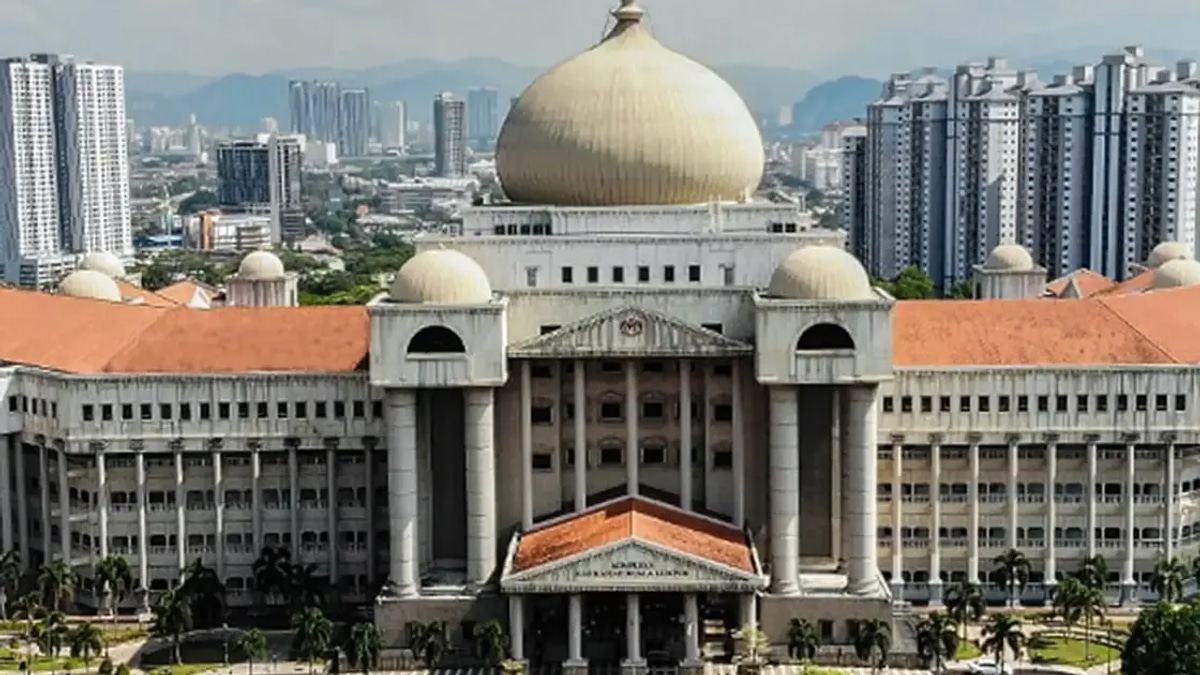
The Malaysian Anti-Corruption Commission (MACC) is pushing toward completion of its purpose-built headquarters in Sabah, with the Jalan Sepanggar facility now reaching the 90 per cent construction milestone and expected to welcome staff by December. The new complex represents a significant institutional milestone for the anti-graft agency, which has operated from multiple scattered locations across the eastern Malaysian state. MACC Chief Commissioner Datuk Seri Abd Halim Aman confirmed the timeline during a recent visit to Sabah, underscoring the building's strategic importance to the agency's operational future.
The consolidation of Sabah's MACC personnel into a single integrated facility addresses a long-standing operational constraint. Currently, the commission's Sabah division maintains presence across three separate office locations, fragmenting resources and complicating inter-departmental coordination. By bringing all personnel under one roof, the new building will eliminate the inefficiencies that come with dispersed operations, allowing teams to work more cohesively on investigations, intelligence-sharing, and administrative functions. For Malaysian readers familiar with Malaysia's ongoing anti-corruption push, this investment signals renewed commitment to strengthening institutional capacity at the regional level, particularly in states like Sabah where governance challenges have periodically drawn national scrutiny.
Abd Halim articulated a deeper institutional rationale beyond mere operational convenience. The MACC, as an independent enforcement body, requires tangible physical symbols of institutional autonomy and standing. Occupying a dedicated government-owned facility—rather than leasing space in shared administrative complexes—reinforces the commission's operational independence and sends an important message about its role within Malaysia's governance architecture. The previous arrangement, whereby Sabah MACC operated from the Federal Government Administration Complex Building, represented a compromise that, while functional, lacked the institutional gravitas that a dedicated headquarters provides. This distinction carries weight in jurisdictions where perceptions of independence directly influence public confidence in anti-corruption efforts.
The operational benefits of the consolidation extend beyond mere proximity. Centralising Sabah MACC operations will streamline communication channels among officers working across investigations, intelligence analysis, and administrative support functions. Enhanced coordination between operational and technical teams will accelerate case processing, improve information management, and reduce duplication of effort. For a state like Sabah, where vast geography and dispersed populations create investigative challenges, having integrated facilities becomes particularly valuable. Officers can conduct briefings, share intelligence, and coordinate surveillance or enforcement actions without the delays inherent in shuttling between multiple locations. These improvements, though unglamorous, represent the unglamorous infrastructure that underpins effective anti-corruption work.
Sabah MACC Director Datuk Mohd Fuad Bee Basrah's presence at the announcement underscores local leadership's investment in the project. As the official responsible for executing anti-corruption mandates across Sabah's jurisdictions, Fuad will preside over the transition into the new facility and oversee the integration of scattered teams into a unified command structure. This leadership continuity provides stability during the operational transition, ensuring that staffing decisions, case management protocols, and investigative priorities remain consistent as the agency relocates.
Abd Halim's broader remarks about media relations, while seemingly tangential to the building project, reflect an underlying concern about public perception and trust. The MACC, as an independent institution, depends on public understanding of its work and confidence in its impartiality. Media coverage shapes this perception significantly, particularly in states like Sabah where investigative journalism has periodically exposed governance lapses. By encouraging balanced reporting and cautioning against prejudicial coverage of suspects, Abd Halim was articulating standards that protect both the integrity of ongoing investigations and the reputational standing of individuals under investigation. For Malaysian media practitioners, this guidance represents a recalibration of professional responsibility—distinguishing between reporting on official actions and speculation that could prejudice legal proceedings.
The emphasis on protecting suspect identities carries particular weight in Malaysia's context, where social media amplification of MACC investigations can lead to trial-by-public-opinion dynamics. When images of detained or questioned individuals circulate widely before formal charges or convictions, damage to reputation can be irreversible, regardless of eventual legal outcomes. Abd Halim's exhortation to journalists reflected recognition that media restraint serves not only suspects' interests but also the broader integrity of Malaysia's legal system. For regional observers monitoring press freedom in Southeast Asia, these comments represent a nuanced position—affirming media's investigative role while advocating for professional standards that distinguish between reporting facts and amplifying speculation.
The call for verified sourcing and accuracy represents a tacit acknowledgment of misinformation challenges that have increasingly complicated MACC's public communication efforts. In an environment where unverified claims about corruption investigations spread rapidly across social media platforms, the agency faces credibility pressures when official channels and public discourse diverge. By urging journalists to rely on verified sources and avoid speculative reporting, Abd Halim was attempting to establish professional protocols that would anchor public discourse in documented facts rather than rumour or conjecture. For Malaysian news organisations, this represents both a professional challenge and an opportunity—maintaining independence and investigative rigour while adhering to evidentiary standards that protect individuals' legal rights.
The Sabah headquarters project, viewed through this lens, becomes more than a real estate achievement. It represents institutional maturation for an anti-corruption body that has evolved significantly since its establishment in 2009. The new facility will house personnel, archives, and operational infrastructure for an agency that increasingly occupies central space in Malaysia's governance conversations. For Sabah specifically, the dedicated MACC headquarters signals that federal anti-corruption efforts are being resourced and institutionalised at the regional level, potentially increasing the frequency and sophistication of investigations into state-level governance matters. This development carries implications for Sabah's political and business communities, both of whom operate under potentially intensified scrutiny from a more operationally efficient anti-corruption apparatus.
The year-end timeline for completion, if maintained, will position the new facility as operational during what typically represents a busy period for Malaysian regulatory agencies. Federal budgetary processes, year-end administrative reviews, and preparation for the following fiscal year often generate investigative workloads for anti-corruption bodies. Having newly consolidated facilities available during this period will test the operational improvements that centralisation promises, providing practical evidence of whether the infrastructure investment translates into enhanced enforcement capacity. For Malaysian stakeholders invested in anti-corruption outcomes, the new Sabah headquarters represents tangible evidence that institutional strengthening extends beyond policy rhetoric into physical, operational reality.