Singapore shipping magnate Teo Siong Seng and a network of container manufacturing executives have become targets of civil litigation in the United States, exposing them to potentially crippling financial penalties as American businesses seek compensation for losses allegedly suffered through an international price-fixing conspiracy. The pair of lawsuits, filed in California's federal court system during early June, represent a significant escalation beyond the criminal charges already levelled by US authorities, as private companies now pursue their own remedies through the courts.
The litigation stems from a coordinated scheme that prosecutors say involved five major manufacturers controlling approximately 95 percent of global standard dry container production. According to court filings, executives from China International Marine Containers (CIMC), Shanghai Universal Logistics Equipment, CXIC Group Containers, and Singamas Container Holdings—where Teo serves as chief executive—allegedly orchestrated a systematic effort to restrict supply and artificially elevate prices across the industry. The arrangement extended beyond simple price discussions; investigators uncovered evidence that the conspirators installed 87 surveillance cameras distributed across 49 production lines to monitor compliance with agreed output quotas, creating an enforcement mechanism that ensured no participant deviated from the cartel's restrictions.
The financial impact of this alleged manipulation proved substantial and immediate. Between 2019 and 2021, the price of a standard 20-foot shipping container more than doubled, climbing from approximately US$1,600 to US$3,500. For American manufacturers and logistics companies dependent on containerized shipping, these increases translated into millions of dollars in additional operational costs. The timing coincided with post-pandemic supply chain disruptions, raising questions about whether cartel members deliberately capitalized on market chaos to maximize price increases while deflecting scrutiny to broader shipping industry volatility.
The profitability enjoyed by the alleged conspirators underscores the scale of the scheme's success. CIMC's container manufacturing division witnessed extraordinary earnings growth, with profits expanding from 137 million yuan in 2019 to nearly 2 billion yuan in 2020, before surging to 11.3 billion yuan in 2021. Singamas experienced similarly dramatic turnarounds, transforming a 110 million US dollar loss in 2019 into a profit of approximately 186.8 million US dollars by 2021. These financial trajectories, prosecutors suggest, provide compelling evidence that the cartel successfully transferred wealth from customers to manufacturers through artificial price inflation.
The American legal strategy encompasses both criminal and civil approaches, with the civil suits offering plaintiffs the prospect of treble damages—compensation worth three times their actual losses if defendants are found liable. This multiplier provision creates powerful financial incentives for American businesses harmed by the cartel to pursue claims, and it poses substantial risks to the accused executives and their companies. Manufacturing firm C.A. Spalding Company and transportation company Daybreak Express initiated the separate lawsuits, with summonses already issued requiring defendants to respond within three weeks or face default judgments.
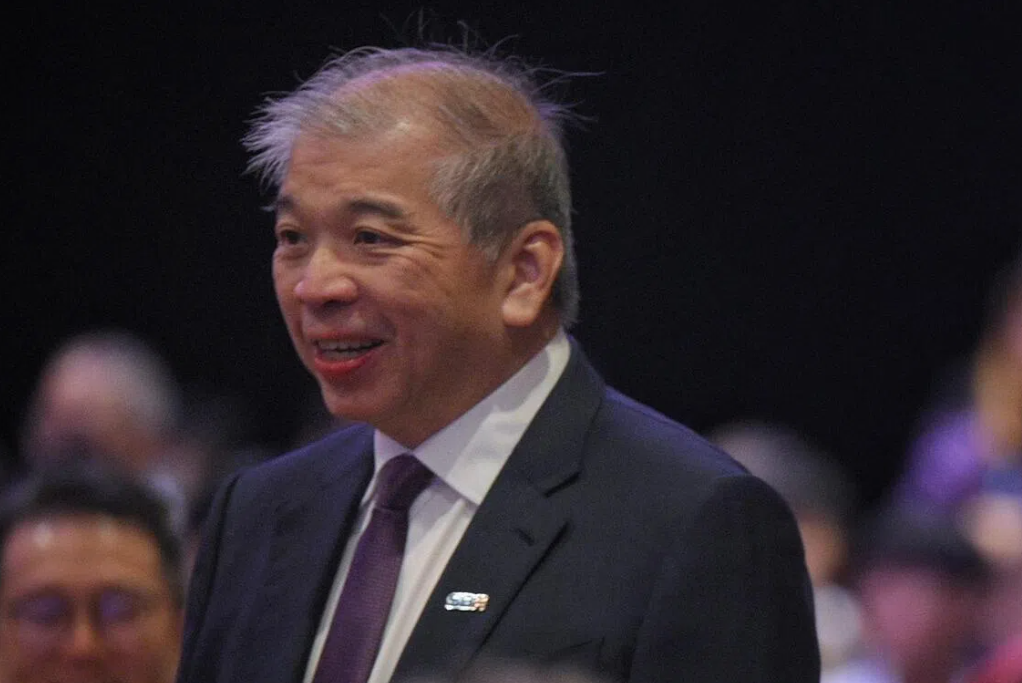
Teo Siong Seng, a 71-year-old Singaporean, is identified among five individuals and multiple entities named in the complaints. Alongside him are four Chinese nationals involved in various leadership roles at the manufacturing firms. The inclusion of a prominent Singapore-based executive elevates this dispute beyond a purely mainland Chinese affair, drawing regional attention to international trade law enforcement and potentially influencing how Southeast Asian business leaders navigate global compliance frameworks. Unlike some defendants, Teo declined to comment on the specific allegations contained in the civil suits.
The accusations have already triggered significant professional consequences for Teo within Singapore's business establishment. He has voluntarily removed himself from multiple prominent positions, including his role as executive chairman of Pacific International Lines, a major regional shipping concern. His departure extends to Singapore's apex business organization, the Singapore Business Federation, where he had served as chairman; the Singapore Economic Resilience Taskforce; the board of Enterprise Singapore; and his position as pro-chancellor at the National University of Singapore. These moves reflect the reputational damage and distraction created by ongoing legal exposure.
Teo's abbreviated tenure at the Singapore Business Federation merits particular attention given the circumstances. He was elected to the chairmanship in May 2025, succeeding Lim Ming Yan who stepped down to assume leadership of Changi Airport Group. Having previously served as SBF chairman from 2014 to 2020 across three consecutive terms, Teo's return to the position appeared designed to reinforce business continuity. However, his recent announcement that he will not seek re-election once his current term concludes on June 24 signals a deliberate exit strategy, suggesting recognition that the legal challenges would consume organizational focus and compromise his effectiveness.
In his solitary public statement addressing the accusations, issued on May 28, Teo characterized his departures as proactive measures undertaken both to manage his personal legal circumstances and to preserve institutional interests. His phrasing emphasizes self-determination rather than coercion, though observers note that such voluntary withdrawals frequently precede formal accusations or convictions when executives anticipate adverse legal developments. The statement underscores how allegations of international commercial wrongdoing can rapidly destabilize even well-established regional business leaders.
For Malaysian and Southeast Asian commercial sectors, this litigation carries broader implications regarding supply chain vulnerability and regulatory compliance. The shipping container industry represents a critical backbone for regional trade flows, and manipulation of container prices directly elevates costs for Malaysian exporters and importers. Small and medium-sized enterprises throughout the region lack the market power to negotiate pricing independently, making them particularly exposed to cartel-driven inflation. The case demonstrates that enforcement of anti-competitive practices increasingly operates at a transnational scale, with American authorities and civil litigants pursuing remedies against Asian manufacturers.
The investigation and prosecution also highlight the evolving sophistication of cartel detection methods. The discovery of 87 surveillance cameras specifically installed to monitor output compliance reflects modern investigation techniques that can pierce deliberate concealment efforts. This capability suggests that executives planning anti-competitive schemes cannot rely on informality or geographic distance to evade detection. For legitimate Malaysian businesses seeking competitive advantage, the implication is clear: regulatory compliance and transparent pricing represent not merely moral imperatives but essential elements of sustainable commercial strategy.
As the civil litigation proceeds, further developments will likely emerge regarding the conduct of specific individuals and the scope of the scheme. The involvement of prominent regional business figures will sustain media attention and potentially influence how Southeast Asian governments approach trade enforcement and international cooperation with US authorities. For Teo Siong Seng specifically, the combination of criminal exposure and civil liability creates mounting pressure regardless of ultimate adjudication outcomes, suggesting that his professional trajectory within Singapore's established business circles has fundamentally altered.