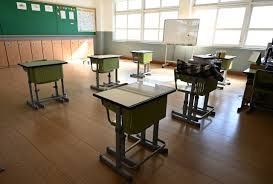
Police on South Korea's Jeju Island are investigating a high school student for allegedly contaminating an elementary school teacher's classroom with bodily fluids on at least two separate occasions. The Seogwipo Police Station confirmed the investigation on June 16, marking what authorities describe as a troubling breach of school security and a severe violation of personal safety. The incidents have left the targeted educator unable to return to work, signalling the profound psychological impact such harassment can inflict on victims even in professional environments.
The first alleged incident occurred in April when the student reportedly accessed the elementary school campus adjacent to his own high school and deposited semen in a teacher's personal drinking tumbler. The violation of such an intimate personal item represents a deliberate act of degradation. More than a month later, on June 4, the same student allegedly returned to the same classroom and urinated on the teacher's chair before fleeing the scene. The repetition of visits to the same location and targeting of the same individual raises critical questions about whether these actions were opportunistic or premeditated.
School officials promptly reported both incidents to Seogwipo Police, who deployed standard investigative techniques to identify the perpetrator. Officers reviewed corridor security footage outside the classroom, which provided visual evidence linking the student to the trespassing incidents. Within days of the report, on June 8, police apprehended the suspect on suspicion of property damage and unauthorized entry to the school building. The swift identification suggests that campus security systems functioned effectively, though the delay between the April incident and the June apprehension raises questions about reporting procedures and communication between educational institutions and law enforcement.
During police interrogation, the student denied culpability and challenged the characterization of his actions. He claimed ignorance of the teacher's identity and rejected suggestions that sexual motivation drove his behaviour. Instead, he offered a mundane explanation: he had simply been searching for a restroom and entered the classroom by mistake. The excuse strains credibility given the specificity of the alleged acts and the fact that he supposedly returned to the same location weeks later. Police remain sceptical of this account, particularly because the incidents appear calculated rather than spontaneous.
The Jeju Teachers' Union has demanded a comprehensive investigation, emphasizing the severe emotional and psychological trauma experienced by the affected educator. The teacher's inability to return to her classroom underscores how targeted harassment can effectively displace professional workers from their workplaces. This consequence extends beyond the individual victim: her absence disrupts classroom instruction and signals to other educators that institutional protections may prove inadequate. The union's public statement reflects broader concerns about teacher safety and the adequacy of security measures at educational facilities across South Korea.
Authorities are actively examining whether the acts constitute sexual harassment or assault disguised as random mischief. Police are considering whether the student selected this particular teacher deliberately and whether the acts carry sexual motivation despite the suspect's denials. To resolve these questions, investigators plan to seek search warrants for the student's mobile phone, computer, and other digital devices. Such digital forensics might reveal communications, browsing history, or other evidence indicating premeditation, sexual interest in the teacher, or contact with individuals who encouraged such behaviour.
This case touches on broader concerns about school safety and boundary violations that have prompted increased scrutiny across South Korean educational institutions in recent years. The incident demonstrates how even elementary schools situated near secondary schools face security vulnerabilities when campus access controls remain insufficient. The proximity between the high school and elementary school, combined with what appears to be inadequate visitor screening, enabled the alleged repeated access. Many South Korean schools have since implemented stricter entry protocols, visitor identification systems, and enhanced CCTV coverage in response to similar incidents.
The legal classification of the student's alleged actions presents complexity. While police initially charged him with property damage and trespassing, the investigation may yet expand to include sexual harassment or other charges depending on findings from digital evidence and further questioning. South Korean law distinguishes between acts of vandalism and sexually motivated misconduct, with the latter carrying more severe penalties. The determination of intent thus carries significant consequences for prosecution strategy and sentencing if the case reaches trial.
For Malaysian observers, this incident offers a cautionary perspective on school security and safeguarding protocols. While South Korea maintains high education standards, this case demonstrates that institutional vulnerabilities exist even in developed nations with advanced security infrastructure. Malaysian schools and educational administrators might benefit from examining their own access control procedures, CCTV coverage, and incident reporting mechanisms. The speed with which Seogwipo Police identified the suspect through footage review underscores the value of comprehensive security camera systems in educational settings, a consideration increasingly relevant as Malaysian schools balance student privacy with institutional safety requirements.