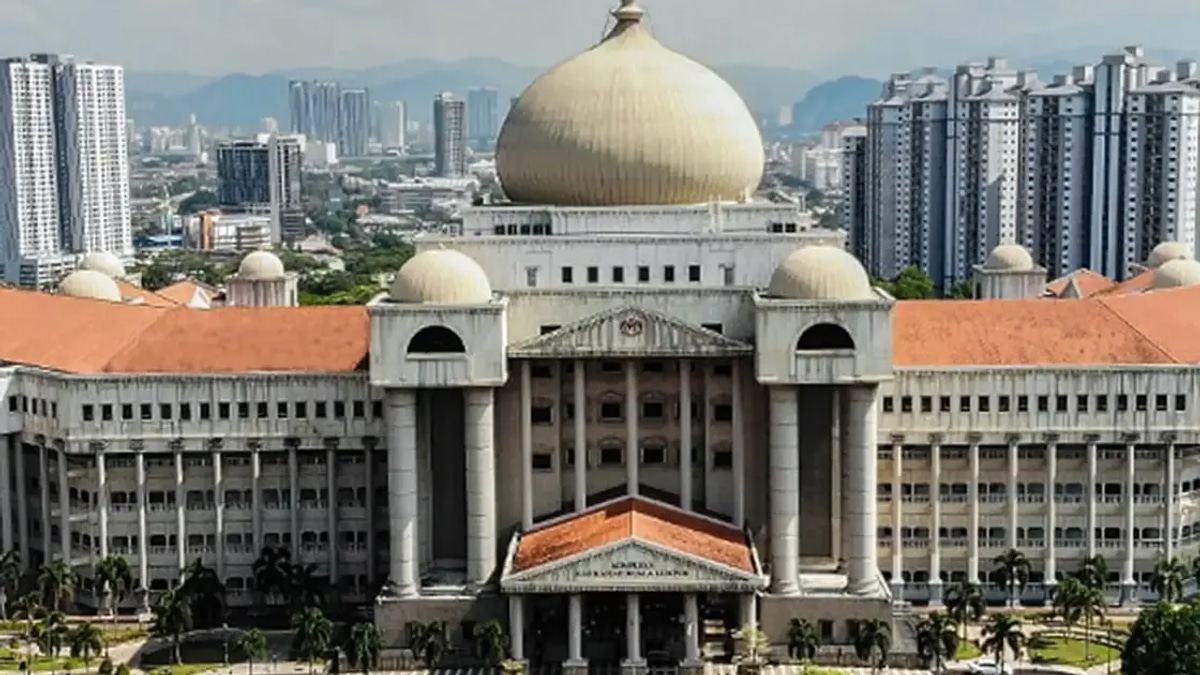
Former Spanish prime minister Jose Luis Rodriguez Zapatero will appear before a Madrid court beginning Wednesday for two days of hearings concerning allegations of influence peddling—a legally and politically significant moment that marks the first time a former head of government from Spain's Socialist Party faces such scrutiny. The inquiry represents an escalation in corruption investigations that have begun to weigh on the country's leftist administration and raise broader questions about governance standards across the Iberian peninsula.
The hearing comes as Spain's Socialist Party leadership navigates multiple concurrent scandals and corruption allegations that have eroded public confidence in institutional accountability. Zapatero's tenure as prime minister from 2004 to 2011 positioned him as one of Spain's most consequential recent leaders, implementing progressive policies that fundamentally reshaped the nation's domestic agenda. Yet the allegations emerging now suggest that questions about political conduct and improper influence have reached toward the highest echelons of Spanish governance, touching figures once central to leftist political strategy in Europe.
Influence peddling—the practice of leveraging political connections or status to improperly influence government decisions or secure preferential treatment—represents a serious charge in Spain's legal framework. Unlike direct bribery or embezzlement, such allegations often hinge on subtle exchanges and relationships that blur the lines between legitimate political networking and corrupt conduct. The fact that prosecutors have advanced this case against a former premier underscores the depth of judicial investigation into how political influence has functioned within Spain's establishment.
The timing of these hearings coincides with broader institutional pressures on Spanish Prime Minister Pedro Sánchez's government. Spain's Socialist Party has faced recurring allegations involving party finance, property dealings, and accusations of improper influence across multiple investigations. Each fresh scandal diminishes the moral authority of the administration and complicates efforts to implement policy agendas with parliamentary backing. For the leftist coalition holding power, the Zapatero proceedings serve as an unwelcome reminder that corruption concerns transcend individual administrations and implicate the broader Socialist political machinery.
Zapatero's prominence during his premiership makes this investigation particularly resonant within Spanish political discourse. He championed Spain's integration into international progressive movements, oversaw the nation during critical economic transitions, and positioned Spain as a moral voice in European affairs. The contrast between that public reputation and current legal proceedings creates a narrative tension that reverberates across the Spanish political establishment and raises uncomfortable questions about institutional integrity among socialist leaders.
For Malaysia and Southeast Asia, the Zapatero case offers instructive lessons about how developed democracies grapple with political corruption even among elite figures. While Malaysia has implemented institutional reforms including the establishment of the MACC (Malaysian Anti-Corruption Commission) to combat entrenched graft, international comparisons remind us that no nation—regardless of wealth or development level—remains immune to corruption pressures among the politically connected. Spain's willingness to subject a former head of government to public court proceedings demonstrates both the strength of judicial independence and the persistent vulnerability of even mature institutions to political capture.
The legal proceedings also highlight how influence peddling represents a particularly insidious form of corruption, often more difficult to prosecute than straightforward theft or bribery. Zapatero's defenders have characterized the inquiry as a politically motivated campaign, a narrative familiar in contemporary politics across multiple continents. Such defenses, whether justified or not, complicate public understanding of legitimate political influence versus improper conduct—a distinction that remains hotly contested in Madrid's political circles and courts.
Spain's leftist government faces particular vulnerability during this period, as opposition parties will inevitably weaponize these proceedings in parliamentary debates and media campaigns. The Socialist Party's capacity to govern effectively depends partly on maintaining parliamentary support from smaller parties and independent lawmakers who may reassess their political alignments if public confidence erodes further. The Zapatero hearings thus carry implications extending well beyond the former premier's personal legal situation, potentially affecting legislative outcomes and governmental stability.
International observers, including those monitoring governance standards across Europe, have closely tracked Spain's handling of political corruption investigations. The EU and other democratic institutions maintain interest in ensuring that investigations proceed fairly and independently, free from partisan manipulation. The Zapatero case serves as a barometer for assessing whether Spanish judicial institutions can credibly investigate former heads of government without appearing either captured by political opponents or complicit in institutional cover-ups.
The two-day hearing will examine specific allegations and evidence while allowing Zapatero opportunity to defend himself directly before the court. Media coverage will inevitably focus on revelations emerging during testimony, statements from prosecutors, and the former premier's own explanations regarding his conduct. The substantive outcome remains uncertain, but the process itself signals that in Spain—despite persistent governance challenges—legal accountability extends even to those who once wielded executive power.
For Spanish citizens and the broader European community, the Zapatero proceedings symbolize either institutional resilience and judicial independence or, depending on one's perspective, a troubling pattern of political persecution. The court's ultimate findings will determine not only Zapatero's personal fate but also contribute significantly to public perception of whether Spain's socialist leadership can govern with integrity. The hearings thus represent a pivotal moment in assessing the health of Spanish democracy and the trajectory of institutional accountability within the leftist political movement that continues shaping European governance.