The chief executive officer of a government-linked statutory body is set to appear in court today to face seven separate corruption charges relating to the alleged solicitation and acceptance of bribes exceeding RM1 million. The charges relate specifically to projects involving sports facilities, raising fresh concerns about governance lapses and financial impropriety within Malaysia's institutional framework.
The case underscores the Malaysian Anti-Corruption Commission's sustained focus on high-level officials and institutional leadership, where officials wielding significant budgetary authority have proven particularly vulnerable to corrupt practices. Statutory bodies, which manage substantial public funds and oversee major infrastructure and facility projects, have featured prominently in recent enforcement actions by authorities seeking to strengthen accountability across the government ecosystem.
The allegations involve the CEO allegedly leveraging his official position to solicit payments from parties with business interests before the organisation. Corruption of this nature—where officials use their procurement and contracting authority to extract illicit payments—represents a fundamental breach of the fiduciary duty owed to the public and undermines the integrity of decision-making processes that should be merit-based and transparent.
Sports facility projects have historically presented particular vulnerability to corrupt practices owing to their scale, complexity, and the multiple contractors and subcontractors involved. The discretionary nature of awarding contracts and approving expenditures creates opportunities for officials to demand payment in exchange for favourable treatment. Such corruption drives up project costs, diverts public resources from intended beneficiaries, and erodes public trust in institutional management.
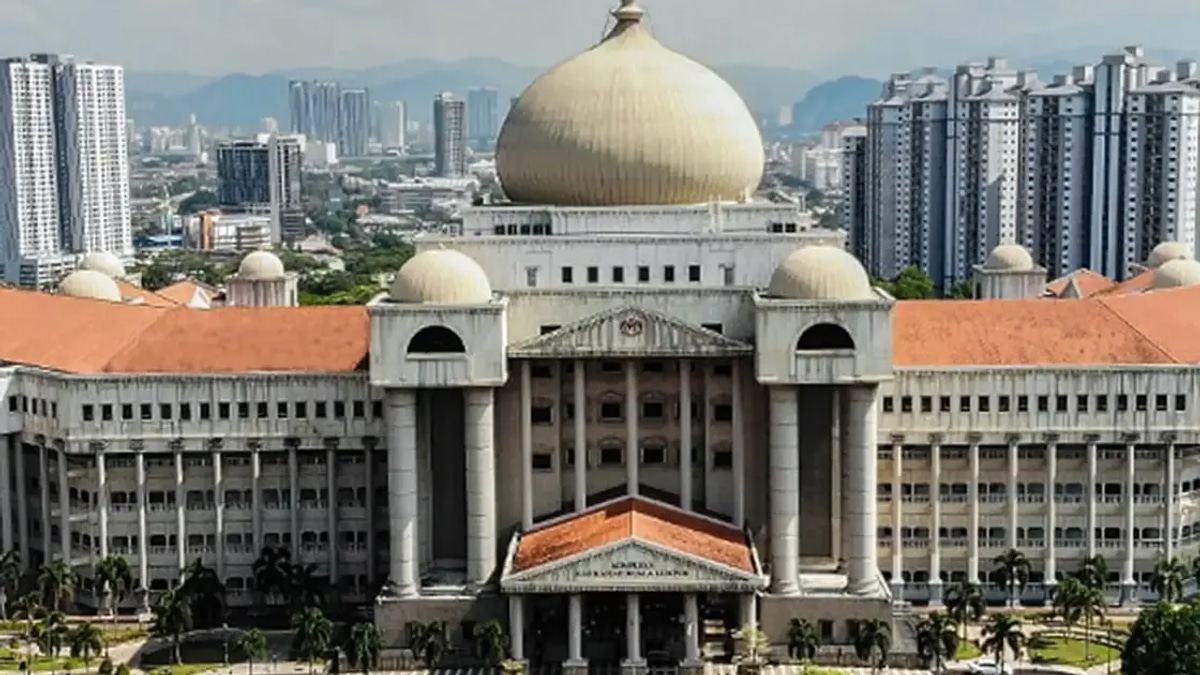
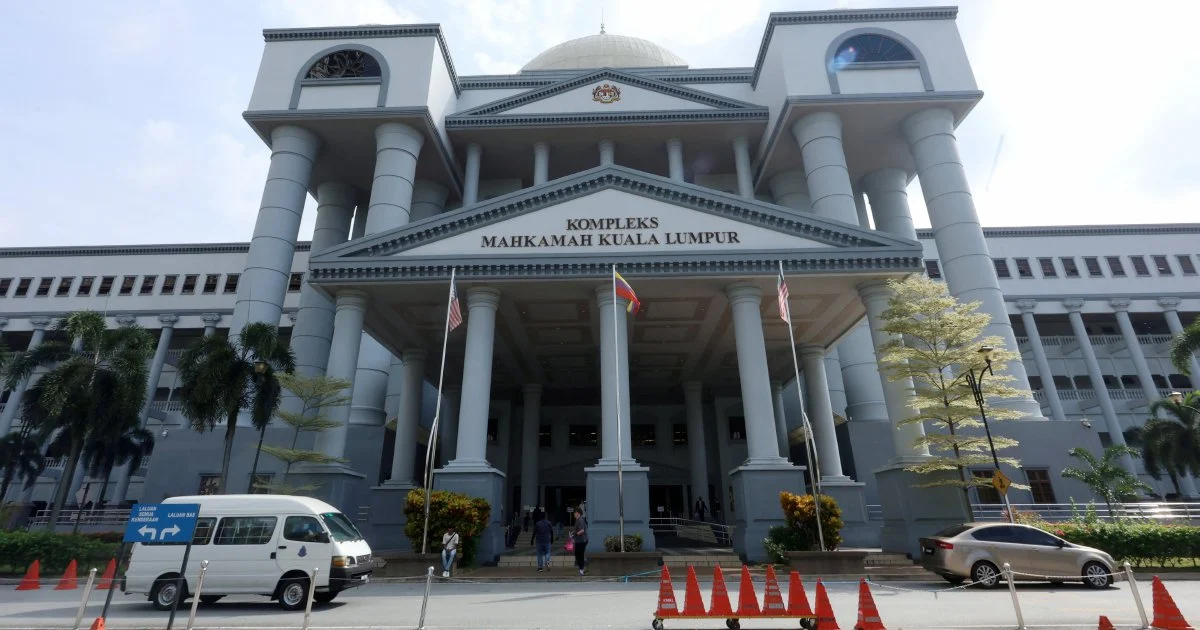
The Sessions Court hearing will represent a critical juncture in the case, as the prosecution presents evidence supporting the allegations while the defence is afforded the opportunity to challenge the charges. The severity of the charges—multiple counts spanning the full amount allegedly involved—suggests the investigating authorities and prosecutors believe there is substantial evidence of systematic rather than isolated wrongdoing.
For Malaysia's ongoing anti-corruption efforts, this prosecution demonstrates the willingness of enforcement agencies to pursue even senior institutional figures regardless of their position. This sends an important signal about the consequences of abuse of office, though Malaysia continues to grapple with the broader challenge of preventing such misconduct before it occurs through stronger preventive controls, enhanced transparency in procurement processes, and institutional culture change.
The case also highlights the particular importance of oversight mechanisms within statutory bodies, which operate with considerable autonomy and substantial budgets yet may lack the same level of parliamentary or legislative scrutiny as federal ministries. Strengthening internal controls, regularising independent audits, and establishing clear approval hierarchies for major expenditures remain critical protective measures that can reduce opportunities for individual officials to act unilaterally.
The implications extend beyond the individual facing charges to the broader institutional reputation of the statutory body involved. Organisations with histories of significant corruption or governance failures often experience difficulty recruiting quality personnel, maintaining stakeholder confidence, and securing political support for expansion or modernisation initiatives. Recovery requires sustained commitment to institutional reform, transparent operations, and demonstrated accountability.
For Malaysian businesses engaging with government bodies and statutory organisations, cases of this nature underscore the importance of maintaining strict ethical standards and refusing to participate in corrupt practices regardless of competitive pressure. Companies that prioritise integrity in their government dealings reduce legal and reputational risk while contributing to a more competitive marketplace based on quality and merit rather than illicit advantage.
The sports sector specifically merits attention, as the sector's reliance on public funding for facility development and maintenance makes it dependent on honest stewardship of resources. Misappropriation through corruption diverts funds away from actual facility improvements, athlete development programmes, and grassroots sporting initiatives that could benefit Malaysian communities and develop talent pipelines for international competition.
Moving forward, the prosecution of this case will likely inform whether additional charges emerge or whether other officials within the same institution face investigation. Corruption typically operates within networks, and a single individual prosecuted may represent part of a broader scheme involving multiple participants at different levels of an organisation. How thoroughly authorities pursue such connections will influence the overall deterrent effect of enforcement action.
This matter also comes amid broader regional conversations about institutional accountability and anti-corruption capacity in Southeast Asia. Malaysia's framework, while imperfect, remains among the more active in the region in pursuing high-level officials and institutional leaders, though critics argue investigative resources remain insufficient and prosecution timelines often exceed international norms.