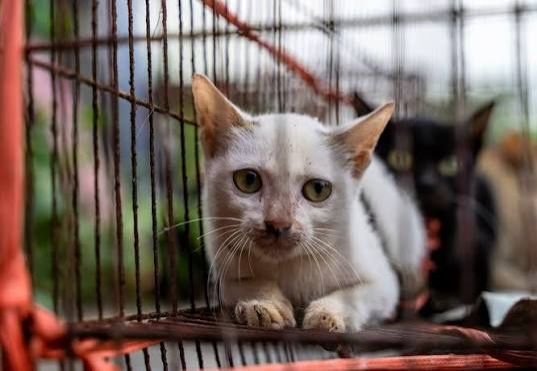
Vietnamese law enforcement has successfully broken up a large-scale cat-theft operation that terrorised pet owners across Ho Chi Minh City and southern Vietnam, resulting in the rescue of more than 400 live animals and the recovery of 80 carcasses preserved for consumption. The bust marks a significant intervention by authorities responding to escalating complaints about organised pet thefts from residents in the sprawling southern metropolis. Nine individuals connected to the syndicate now face criminal charges following coordinated police operations that dismantled what officials describe as a sophisticated criminal enterprise focused on acquiring felines through deception and capture.
The operation that unfolded over the past week represents the culmination of investigations into what Ho Chi Minh City police characterise as a specialised theft ring with deep roots in the region's underground economy. Detectives identified the group after responding to mounting reports from residents whose beloved cats had vanished without trace over an extended period. The investigation revealed that the suspects had perfected methods for luring and trapping cats across southern Vietnam, operating with apparent impunity for approximately three years before authorities intervened. The scale of the operation—targeting hundreds of animals—suggests a well-coordinated enterprise rather than isolated incidents of petty theft.
Police operations across multiple locations yielded the extraordinary recovery of 400 living cats alongside 80 dead animals that had already been processed and stored on ice in commercial facilities. The seizure of an additional 21 cats from a separate holding location underscores the distributed nature of the network's infrastructure. This logistics capability indicates that the suspects had developed systems for capturing, transporting, housing, and preparing animals for sale, suggesting a business operating with considerable sophistication and profit motive. The sheer volume of animals recovered points to regular supply chains feeding into restaurants and vendors willing to purchase meat from dubious sources.
Despite being legally permitted to consume dog and cat meat in Vietnam, the country maintains regulatory frameworks ostensibly designed to ensure the legitimacy of such trade. Restaurants and vendors operating within the legal framework are required to present certificates documenting the provenance of the animals they sell, establishing at least a nominal system of accountability. However, the flourishing of this theft ring indicates that enforcement mechanisms remain inadequate to prevent organised criminals from exploiting loopholes or bypassing documentation requirements altogether. The availability of a legal market for such meat creates conditions in which stolen pets can be absorbed into commercial supply chains with minimal scrutiny, blurring the line between lawful and criminal commerce.
The criminal group's modus operandi—methodically luring unsuspecting cats and trapping them for profit—reflects the systematic nature of their enterprise rather than opportunistic animal cruelty. Neighbourhood residents who kept cats as pets or allowed them to roam freely faced genuine danger that their animals could be captured and sold within days. This ongoing threat created an atmosphere of anxiety among pet owners in affected areas, with each missing cat potentially representing a successful theft rather than a natural misadventure. The three-year operational window before law enforcement intervention suggests the suspects benefited from either local protection, lack of coordinated reporting, or insufficient police resources dedicated to addressing pet theft as a serious crime.
Humane World for Animals, the international animal advocacy organisation that announced the recovery, reported that at least 40 of the rescued felines have been successfully returned to their original owners. This achievement provides some measure of redemption for families who feared their pets were lost permanently, offering closure after weeks or months of uncertainty and grief. However, the broader picture reveals the profound suffering inflicted by the syndicate's activities. The organisation disclosed that approximately 100 of the rescued cats perished subsequent to their rescue, having succumbed to injuries, illness, or trauma sustained during capture, confinement, and transport. The mortality rate among recovered animals reflects the brutal conditions to which the cats were subjected during their time in the criminals' custody.
The ongoing complications surrounding the rescued animals extend beyond those successfully reunited with families or those already lost. Around one hundred cats remain housed at police facilities, detained as physical evidence required for the prosecution of the nine arrested individuals. While necessary for the judicial process, this continued confinement presents its own welfare challenges and resource requirements. Humane World for Animals has stepped into this gap by donating food supplies and coordinating the delivery of cooling equipment to prevent the confined animals from suffering heat stress in the tropical Vietnamese climate. This intervention highlights how animal rescue extends beyond the dramatic moment of law enforcement intervention into the often-unglamorous logistics of caring for large populations of traumatised animals.
The case carries implications for Southeast Asia more broadly, where informal pet ownership, limited animal welfare legislation, and the intersection of legal and illegal meat markets create similar vulnerabilities. Multiple countries across the region maintain legal markets for dog and cat meat while simultaneously struggling with organised theft rings that exploit regulatory gaps. The Vietnamese case demonstrates how serious criminal enterprises can exploit perceived inconsistencies between cultural practices, legal frameworks, and enforcement capacity. For Malaysian readers and neighbours throughout Southeast Asia, the bust serves as a reminder of how transnational criminal networks can emerge around commodity extraction—even where those commodities are animals with emotional significance to urban pet owners.
The prosecution phase now underway will test Vietnam's commitment to treating organised animal theft as a serious crime worthy of substantial investigative resources and judicial attention. The fact that authorities allocated sufficient personnel and time to crack this ring suggests shifting priorities toward animal welfare within law enforcement establishments. However, sustained attention will be required to ensure that the nine arrested individuals face meaningful consequences that deter similar enterprises from emerging in the future. Whether the successful intervention represents a permanent disruption to the pet-theft economy or merely a temporary setback for criminal operations remains to be determined as the case proceeds through Vietnam's judicial system.