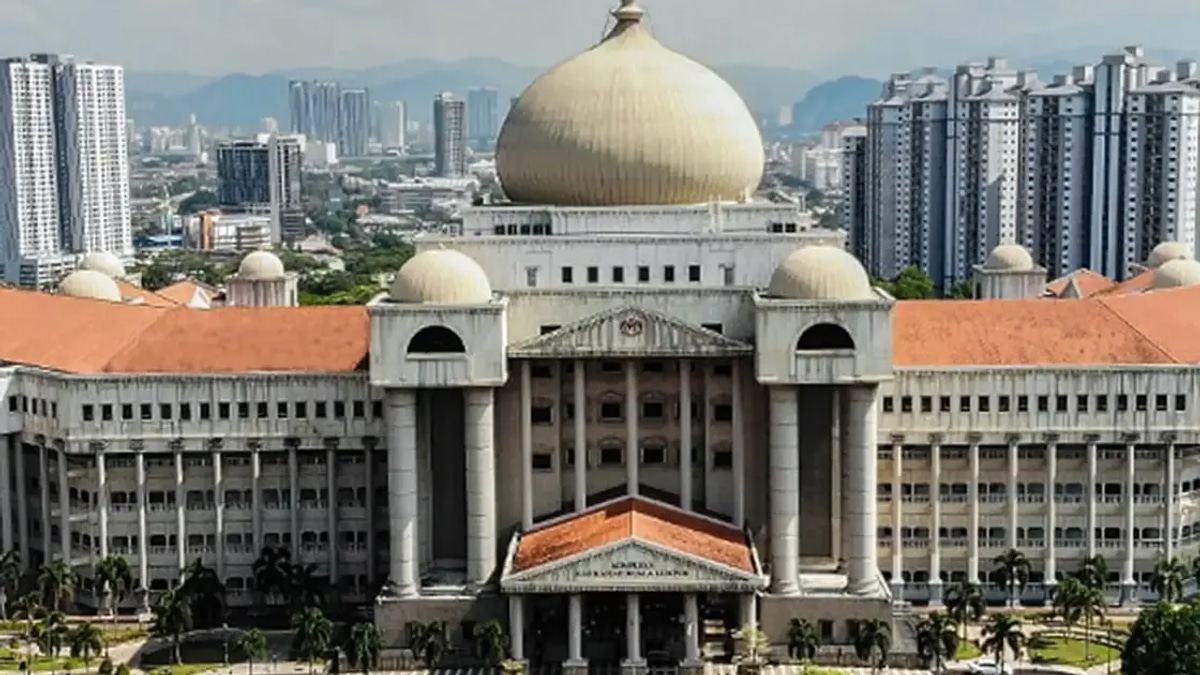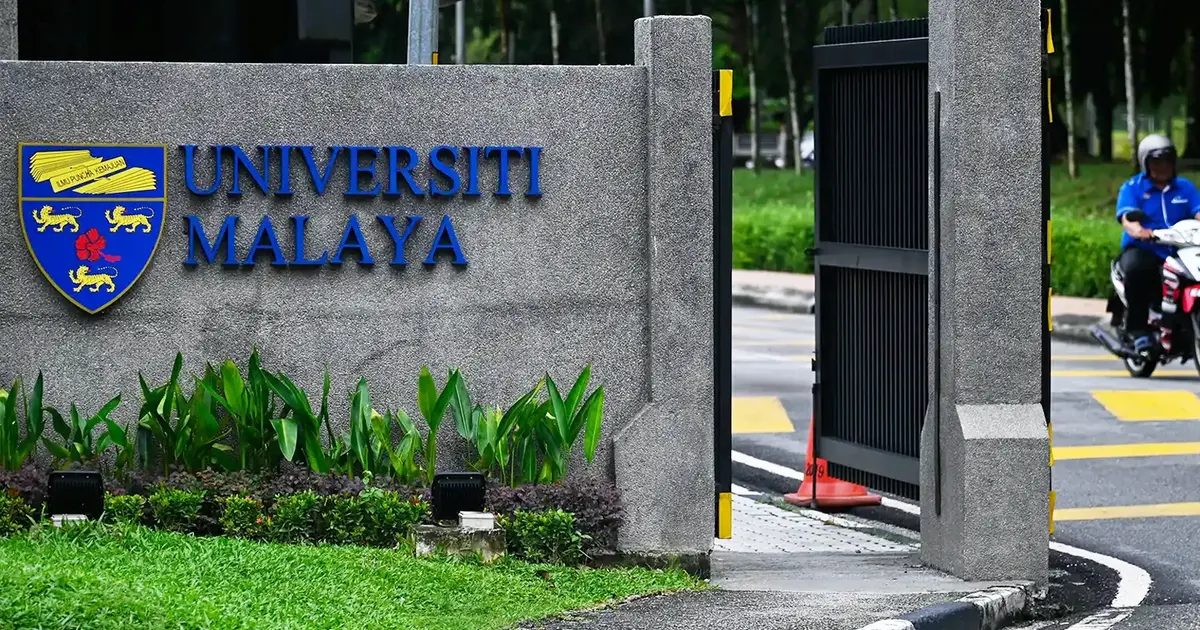
The University of Malaya finds itself under renewed scrutiny as student representatives demand transparency regarding a sexual harassment investigation into one of its professors. NewGen UM, the student advocacy organisation, has expressed frustration at what it describes as an extended information vacuum, pointing out that university leadership made statements last September suggesting the inquiry would soon conclude, yet no formal announcement of the findings has materialised in the intervening months.
This situation underscores a persistent tension at Malaysian universities between institutional accountability and opacity in handling sensitive personnel matters. While universities often cite procedural safeguards and confidentiality requirements when responding to questions about disciplinary investigations, student groups and civil society observers increasingly argue that the public interest—particularly at a prestigious institution like UM—demands greater disclosure about the outcomes of such processes. The lack of clarity can fuel speculation and undermine confidence in the institution's commitment to addressing workplace misconduct.
The timing of the investigation carries particular significance given the evolving conversation surrounding workplace harassment across Malaysia and the region. Higher education institutions have become focal points in these discussions, as they function both as employers and as spaces where younger generations form their understanding of professional norms and accountability. When investigations stall or findings remain hidden, it sends ambiguous signals about whether complainants' concerns are being taken seriously and whether institutional mechanisms for protecting vulnerable individuals actually function as intended.
NewGen UM's intervention reflects a broader generational shift in how student bodies engage with university governance. Rather than viewing harassment complaints as internal administrative matters to be quietly resolved, this cohort appears intent on treating them as matters of institutional culture and public concern. This reflects similar movements in universities across Southeast Asia, where student activism has increasingly targeted gender-based violence, discrimination, and the transparency of accountability processes. The group's persistence in seeking updates demonstrates that initial announcements of investigations no longer satisfy stakeholder expectations—follow-through and disclosure have become essential to legitimacy.
The University of Malaya, as Malaysia's oldest and most prominent tertiary institution, carries particular weight in shaping institutional practices across the country's higher education sector. Its handling of disciplinary matters, including investigations into sexual harassment, effectively sets precedent and establishes norms that other universities observe and often emulate. A sluggish or opaque process at UM can inadvertently communicate to the sector that such matters need not be treated with urgency or clarity, potentially emboldening less stringent practices elsewhere.
From the perspective of affected parties, extended delays in investigation completion and disclosure create additional hardship. Complainants may experience prolonged uncertainty about whether their allegations have been substantiated, whether remedial action will be taken, and whether they can reasonably expect institutional support moving forward. Respondents similarly face extended periods of limbo, unable to clear their names or move forward professionally. These human dimensions of delayed investigations often receive less attention than bureaucratic explanations about the need for thorough processes, yet they profoundly affect the lived experience of those directly involved.
The apparent gap between the September statement—that the investigation was in its final stages—and the present absence of conclusions raises legitimate questions about what, if any, obstacles have emerged during the inquiry's final phase. Complications in investigation processes are not uncommon; they may involve gathering additional evidence, conducting supplementary interviews, or ensuring that all procedural steps have been rigorously followed. However, without communication from the university explaining any delays or providing realistic timelines, speculation fills the void. NewGen UM's public call for an update may be intended partly to break this communication deadlock and restore clarity to the process.
From a governance perspective, the situation highlights the importance of universities establishing clear protocols for how investigations will be conducted, what timeline stakeholders can expect, and what information will be disclosed once inquiries conclude. Many Malaysian universities operate without such crystallised frameworks, leaving investigators and administrators with considerable discretion in how they proceed and what they communicate. More transparent institutional frameworks—comparable to those increasingly adopted by universities in other Commonwealth nations—would establish clearer expectations and reduce opportunities for indefinite delay or silence.
The Malaysian higher education sector remains in a period of transition regarding how it approaches workplace conduct and accountability. Regulatory bodies and the Ministry of Higher Education have issued increasing guidance on handling harassment complaints, yet implementation remains inconsistent across institutions. Student organisations like NewGen UM are effectively pushing this transition forward, refusing to accept opaque processes as inevitable or acceptable. Their activism reflects a conviction that Malaysian universities should align with international standards of institutional transparency and accountability.
Looking forward, how the University of Malaya responds to this pressure will likely influence not only the immediate situation but also the broader trajectory of accountability culture in Malaysian higher education. A response that provides substantive information and explanation, or that at minimum offers a credible timeline and explanation for delays, would demonstrate receptiveness to legitimate stakeholder concerns. Conversely, continued silence risks deepening the impression that the university regards such matters as beyond the reach of public scrutiny, potentially inviting further external pressure and erosion of institutional trust among students and staff.