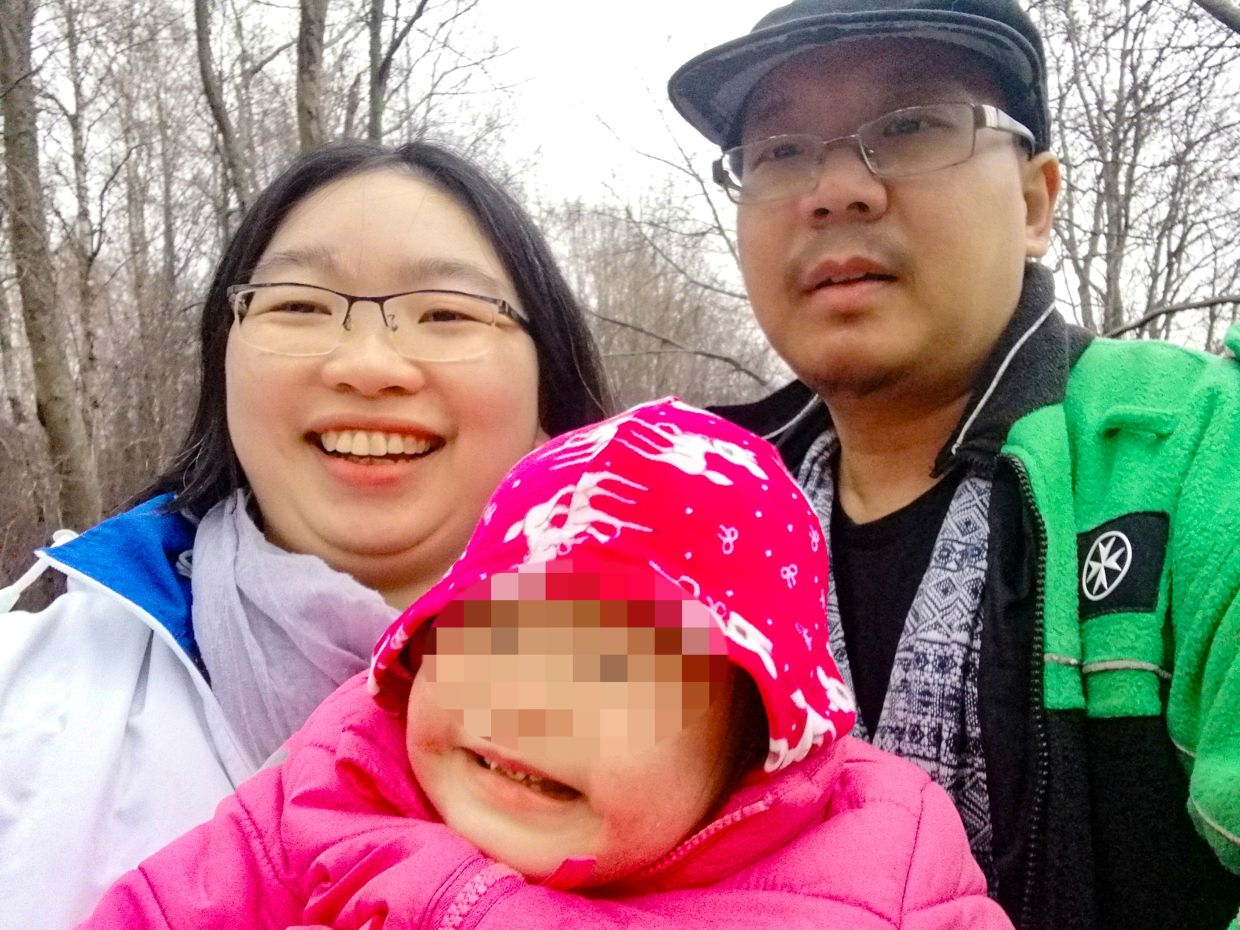
A Swedish court has dealt a significant blow to a Hong Kong couple fighting to regain custody of their young daughter, dismissing their legal challenge against a social welfare committee's application to appoint foster parents as the child's formal guardians. The case, which has unfolded across multiple Scandinavian jurisdictions and now extends to Hong Kong, illustrates the complexities and frustrations that emerge when family law, child welfare protocols, and immigration systems collide across borders.
The Swedish Social Welfare Committee determined in June that the four-year-old girl, identified as Lily, required protection from what it termed a "rootless and insecure existence". The committee's assessment, delivered in a report dated June 3, concluded that the foster family with whom Lily has resided since May 2024 could provide the stable, predictable environment necessary for her development. Swedish authorities emphasised that the child deserved to grow up surrounded by daily warmth, clear routines, and consistent security—conditions which, in their professional assessment, the parents had not yet demonstrated they could reliably offer.
On June 10, the Swedish court rejected the parents' legal challenge to the welfare committee's application, determining that social welfare reviews fall outside the scope of judicial review and that parents must await a formal authority decision before pursuing legal remedies. This procedural ruling left Tsang and Kwan—the couple's names as reported—frustrated and voiceless at a critical juncture. Tsang subsequently expressed dismay to media outlets that the court had not afforded them the opportunity to contest what he characterised as the committee's unreasonableness, highlighting the tension between protective child welfare frameworks and parental due process rights.
The family's trajectory across Scandinavia reveals a sequence of interconnected difficulties that have compounded their situation. Lily was born at home in Finland in October 2021, the couple's second child. Their first daughter, also delivered at home, had died at one month old in 2019—an event that triggered investigations into alleged parental negligence. Finnish authorities subsequently refused to register Lily's birth, citing the couple's permanent Hong Kong address and the unresolved questions surrounding the earlier infant death. Rather than resolve these matters in Finland, the family relocated to Sweden, where their circumstances deteriorated further.
In Sweden, authorities arrested Tsang and Kwan on suspicion of money laundering whilst Lily was placed under state care in December 2023. Though the criminal charges were eventually dropped, the guardianship dispute endured and deepened. The social welfare system's intervention, once initiated, followed its own procedural logic independent of the laundering investigation's outcome. Child protection agencies, operating within a framework that prioritises the welfare of vulnerable children, maintained their assessment that the parents posed ongoing risks to Lily's stability and security.
The couple's efforts to contest the decision through the Swedish legal system proved ineffective. Their social media campaign, documented under the hashtag "Save Lily", gained visibility as they shared family photographs and official documents in an attempt to mobilise public sympathy and pressure authorities. However, such advocacy, whilst emotionally resonant, does not address the underlying concerns that Swedish child welfare officials have identified regarding parental capacity. The case underscores how different jurisdictions evaluate and weigh parental rights against child protection mandates, with Sweden's system apparently tilting decisively toward the latter.
The family's recent return to Hong Kong has introduced a parallel and equally troubling chapter. After settling back in the city, Tsang and Kwan had another home birth, welcoming a son named Danny earlier this year. When authorities requested a DNA test to confirm paternity and enable birth registration—a standard administrative requirement in Hong Kong—the parents declined. This refusal prevented Danny's registration with the Birth Registry, prompting the Social Welfare Department to assume care of the infant. The decision reflects Hong Kong's own protective mandate, but it also mirrors the pattern of confrontation with official oversight that has characterised the family's interactions across multiple countries.
Danny's current situation remains unresolved and contingent on multiple factors. The child, now approximately three months old, remains under government care whilst social workers conduct ongoing assessments of the parents' capabilities and willingness to comply with established protocols. Tsang reported that he and Kwan, operating under supervision from government social workers, brought Danny to a Department of Health maternal and child health centre for medical evaluation, which detected no health abnormalities. However, procedural compliance and medical clearance represent only preliminary steps; the Hong Kong court's forthcoming decision—scheduled for late in the month when Tsang made his statement—will determine whether the parents can satisfy the judiciary that they meet the necessary standards for child-rearing.
The juxtaposition of Lily's situation in Sweden and Danny's status in Hong Kong raises uncomfortable questions about parental resilience and the cumulative impact of state intervention across jurisdictions. For Malaysian and Southeast Asian observers, the case demonstrates how unorthodox parenting practices—particularly home births combined with refusal to engage with administrative registration systems—can trigger child welfare interventions that, once initiated, prove extraordinarily difficult to reverse. The Swedish system's emphasis on child stability and the foster family's established caregiving relationship reflects a perspective that prioritises continuity of care over biological connection when child welfare appears at stake.
Moreover, the case illustrates the vulnerability of families operating at the margins of multiple legal systems. The couple's Hong Kong origin, their movement through Scandinavia, their criminal allegations (later dropped), and their resistance to standard administrative procedures have collectively created a profile that aligns them with categories of concern in child protection frameworks across different countries. Social welfare professionals in both Sweden and Hong Kong appear to have concluded independently that these parents present ongoing risks, a convergence of professional judgment that suggests the concerns are not merely bureaucratic or jurisdictional in origin.
For the couple, the path forward remains extraordinarily narrow. Retrieving Lily from Swedish guardianship will require either successfully challenging the court's authority to deny judicial review—an unlikely prospect given the court's explicit ruling—or waiting for circumstances to change sufficiently that Swedish authorities voluntarily reassess their position. Retaining Danny in Hong Kong necessitates demonstrating to the city's court that they have reformed their approach and will comply with administrative and legal requirements. Both objectives demand not merely legal victory but fundamental shifts in how authorities assess their parenting capacity and trustworthiness.