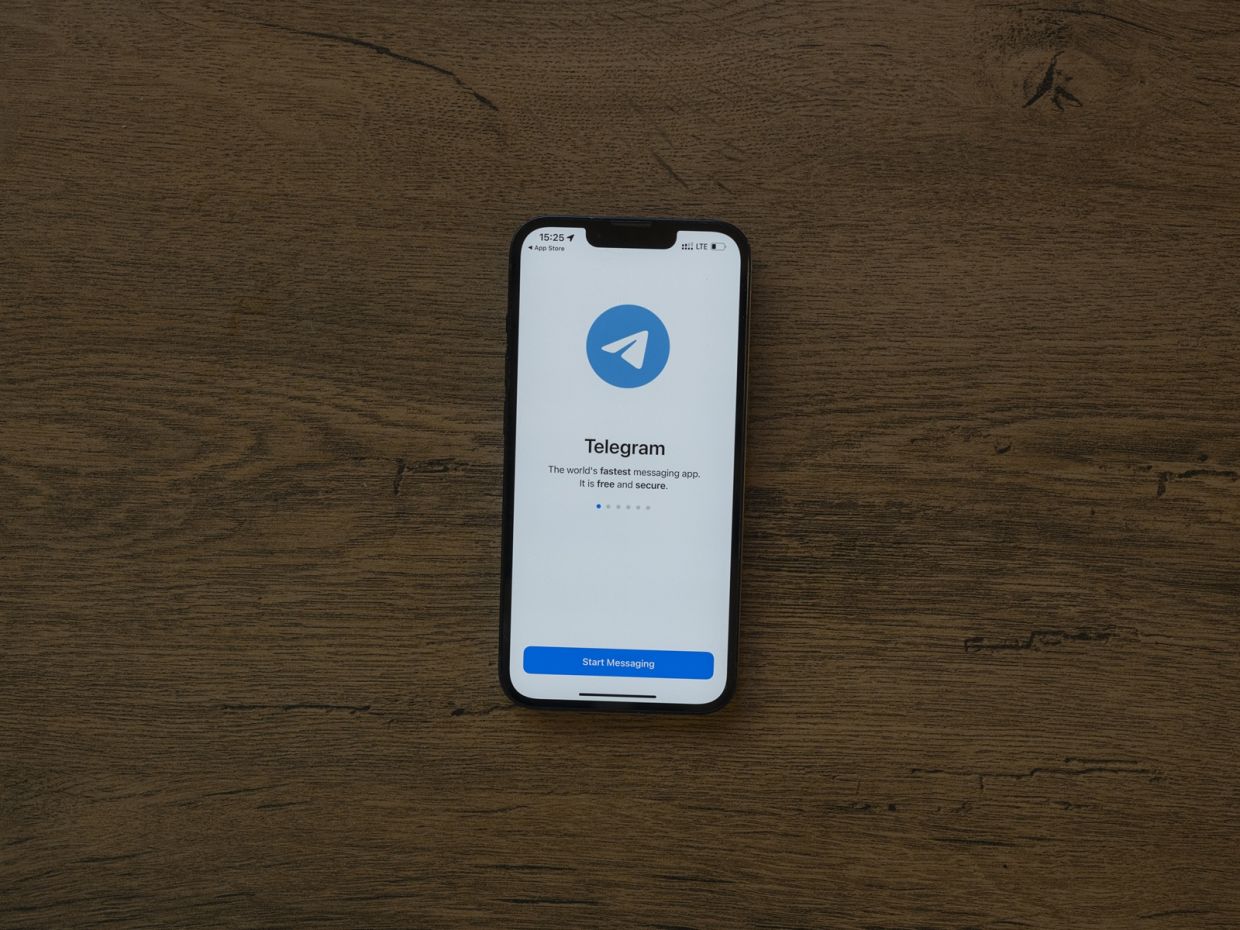
Telegram, the encrypted messaging application that has become synonymous with digital privacy and resistance to government censorship, finds itself under unprecedented legal assault across multiple continents. The app's latest crisis erupted in India, one of its largest markets with over 150 million users, when authorities temporarily banned the platform until June 22 following discovery of a widespread fraud scheme involving leaked medical college entrance exam questions. This action represents merely the latest chapter in an escalating conflict between a tech platform designed to evade state surveillance and governments determined to regulate—or eliminate—its operation within their borders.
India's decision to suspend Telegram stemmed from a troubling incident involving the National Medical Entrance Test, where fraudsters used Telegram channels to sell purportedly leaked examination papers to desperate students and families. The National Testing Agency determined that questions circulating on the platform were fabricated, leading authorities to invalidate all test results and schedule a complete retest. The debacle sparked considerable backlash among Indian youth, who view the government as culpable for failing to secure its examination systems adequately. Pavel Durov, Telegram's founder, responded by pointing out that his platform had proactively removed hundreds of channels related to exam materials and scam operations, arguing that holding the app responsible for user misconduct misses the fundamental problem of fraud perpetrators rather than the technology itself.
Russia presents perhaps the most complex and telling case study in the global campaign against Telegram. Durov, born in Russia, watched his creation face a complete ban in 2018 after the company refused to surrender encryption keys to Russian security services seeking access to users' private communications. Following Durov's departure from Russia in 2014, the government viewed Telegram as a tool for political dissent and a threat to state control over information flows. The ban created an awkward predicament for the Kremlin, which discovered that numerous government agencies had become dependent on Telegram for internal communications, forcing Moscow to lift the prohibition by 2020. However, that reprieve proved temporary. Following Russia's invasion of Ukraine, the government renewed its blocking campaign, accusing Telegram of harbouring terrorists, facilitating fraud, and enabling criminal enterprises. Durov countered that authorities sought to force citizens onto state-controlled applications designed explicitly for surveillance and political censorship. Today, Telegram remains effectively blocked throughout Russia despite technical challenges in enforcing such restrictions.
Ukraine's experience with Telegram reveals the paradoxical nature of the platform's role in contemporary geopolitics. During Russia's military offensive, millions of Ukrainians relied on Telegram channels for life-saving information about approaching attacks, evacuation routes, and supplies of food and medicine. Yet Ukrainian officials simultaneously grew alarmed that Russian operatives exploited the same platform to spread disinformation and conduct espionage operations against their country. This tension prompted Ukrainian authorities in 2024 to prohibit military personnel, government officials, and critical infrastructure workers from accessing Telegram on work devices, citing unacceptable security vulnerabilities. Some Ukrainian officials have proposed more aggressive measures, including requirements that Telegram identify individuals controlling large anonymous channels—a demand that strikes at the heart of Telegram's privacy-centric design philosophy.
Europe has emerged as another battlefield in the regulatory struggle against Telegram. France's 2024 arrest of Pavel Durov upon his arrival in the country marked an extraordinary escalation, as authorities charged him with enabling multiple categories of criminal activity ranging from child sexual exploitation to drug trafficking and online hate speech. The French government argued that Telegram's inadequate content moderation systems created an environment where such crimes flourish unchecked. Durov faced restrictions preventing him from leaving French territory, though he eventually secured temporary permission to depart and subsequently relocated to Dubai. Norway took a different approach, with its justice minister issuing official guidance that state employees should remove Telegram and TikTok from work devices due to perceived national security threats. These European actions reflect a broader conviction among developed democracies that platform operators bear responsibility for criminal conduct occurring on their systems, a principle that fundamentally conflicts with Telegram's foundational architecture.
Brazil's experience with Telegram illustrates how judicial intervention can force platform compliance through leverage. The country's Supreme Court banned Telegram nationwide in 2022 following the platform's refusal to remove accounts associated with disinformation campaigns and threats against justices themselves during a politically volatile election period. Durov acknowledged that Telegram had failed to respond adequately because the company had not received the court's official communications, a troubling admission regarding administrative capacity. After Telegram pledged compliance, the ban was lifted, yet similar crises recurred. In 2023, a Brazilian judge ordered nationwide blocking after Telegram allegedly failed to provide complete user data from neo-Nazi group chats. Though an appeals court ultimately suspended that ban, it upheld substantial financial penalties, establishing a pattern whereby courts use blocking orders as enforcement mechanisms to compel cooperation on data disclosure and account removal.
The mounting international pressure against Telegram reflects a fundamental philosophical and practical conflict about digital governance in the modern era. Governments increasingly view the app's encryption and resistance to state surveillance as obstacles to law enforcement, counter-terrorism operations, and child protection efforts. They argue that platform operators cannot claim neutrality while benefiting from the legal protections and market access that nations provide. Telegram and its supporters counter that encrypted communications represent essential infrastructure for journalists, activists, and ordinary citizens living under authoritarian rule, and that attributing criminal conduct to the platform rather than perpetrators represents a dangerous abdication of proper law enforcement. This divide shows no signs of narrowing, suggesting that Telegram will continue facing regulatory challenges globally, particularly in jurisdictions where governments prioritise state security over individual privacy.
For Malaysia and Southeast Asia, Telegram's legal troubles carry significant implications. The platform has gained substantial adoption throughout the region, where it serves both as a communication tool for ordinary users and as a critical channel for journalists and civil society organisations operating in countries with restricted media freedom. The various international bans and restrictions provide a template that regional governments might follow, particularly if they view Telegram as facilitating political organizing or spreading information they consider destabilizing. The platform's apparent vulnerability—demonstrated through France's arrest of Durov and Brazil's repeated blocking orders—suggests that governments possess more leverage than previously understood. Simultaneously, the pattern of temporary bans followed by negotiations indicates that Telegram's encrypted architecture and user base create sufficient complications for enforcement that outright elimination remains impractical in most jurisdictions. This dynamic will likely shape how Asian governments approach regulating the platform in coming years.