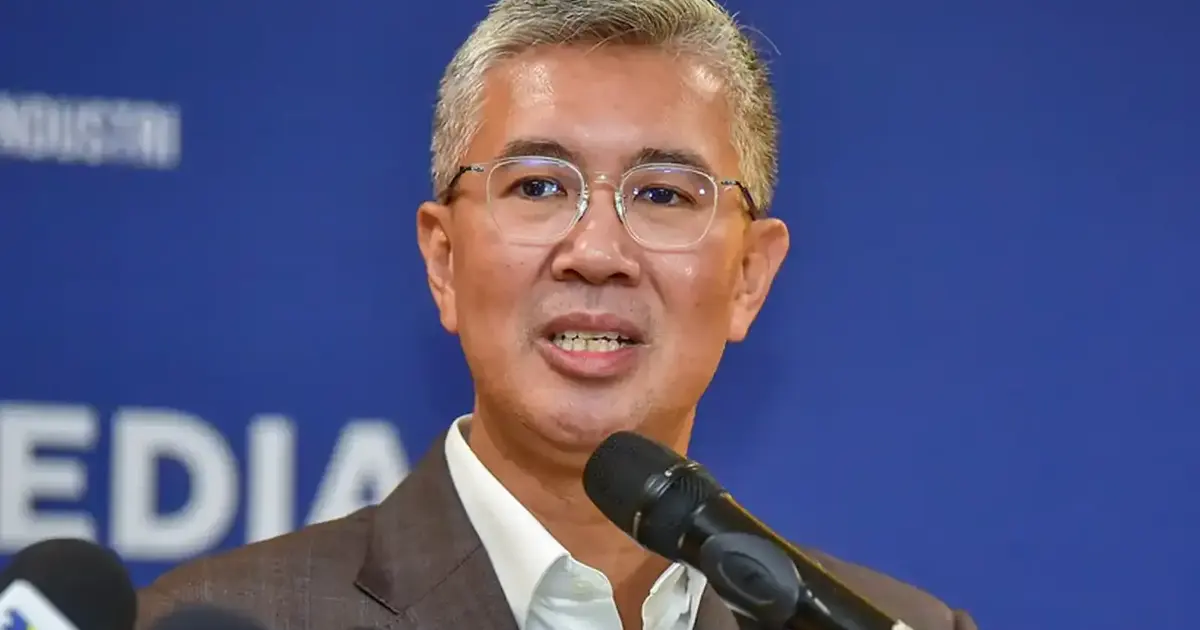
Tengku Zafrul has signalled his readiness to mount another challenge for a Selangor parliamentary seat at the next general election, less than two years after losing his Kuala Selangor stronghold. The former minister, who carried the United Malays National Organisation (Umno) banner in the 15th general election, has indicated he remains committed to seeking elected office in the economically significant state that sits at the heart of Malaysia's political landscape.
His previous attempt in Kuala Selangor during GE15 ended in defeat when he was beaten by Dzulkefly Ahmad, the vice-president of Parti Amanah Negara (Amanah), a result that underscored the shifting electoral dynamics within a state traditionally dominated by Umno. Despite this setback, Tengku Zafrul's determination to return to Parliament reflects the competitive environment within Umno itself, where party veterans and senior figures often manoeuvre for strategic seats in high-stakes electoral contests.
The Selangor political arena has become increasingly complex in recent electoral cycles. The state's transformation into a battleground between Umno, Amanah, and the Democratic Action Party (DAP)—which controls the state government—has created an unpredictable voting landscape. Kuala Selangor, where Tengku Zafrul previously contested, has seen political fortunes shift rapidly, making it a bellwether for national political trends. Dzulkefly Ahmad's victory there highlighted Amanah's capacity to penetrate traditional Umno territories and appeal to voters seeking political alternatives.
Tengku Zafrul's ministerial background and previous parliamentary experience provide him with considerable experience in governance and policy matters, credentials that Umno typically leverages when fielding candidates in competitive constituencies. However, the party faces broader challenges in Selangor, where the Pakatan Harapan government continues to consolidate support despite internal tensions within the coalition. The question of which seat Umno will offer Tengku Zafrul remains unresolved, suggesting internal discussions within the party machinery are still ongoing regarding optimal deployment of senior candidates.
The timing of his expressed interest in contesting another Selangor seat carries significance beyond mere personal ambition. Umno remains in its political recalibration phase following the events of recent years, and the party's performance in Selangor will substantially influence national political dynamics. The state's 13 parliamentary seats represent a crucial testing ground for Umno's revival narrative, particularly among urban and semi-urban voters who have grown increasingly sceptical of the coalition.
For Malaysian political observers, Tengku Zafrul's comeback intentions underscore how senior party figures view electoral prospects despite recent setbacks. His willingness to contest again suggests confidence in his personal political machinery and local support networks, even if these proved insufficient against Dzulkefly Ahmad's appeal. The decision also reflects Umno's calculation that experienced candidates with substantial government service remain valuable assets in parliamentary contests, notwithstanding shifting voter preferences.
The broader context of GE16 positioning has already begun within opposition and ruling coalition parties alike. Selangor's strategic importance cannot be overstated—it contributes disproportionately to federal revenue and its voters represent a sophisticated, educated demographic increasingly engaged with policy details and governance track records. This electorate tends to reward candidates who can demonstrate concrete policy experience and administrative competence, areas where Tengku Zafrul's background provides potential advantage.
Umno's efforts to reclaim lost ground in Selangor will require careful seat allocation and strategic candidate selection. The party must balance rewarding loyal members and senior figures with the pragmatic necessity of fielding candidates capable of winning in an increasingly competitive environment. Should Tengku Zafrul contest a different Selangor seat, the party will need to ensure it is one where his political credentials and personal networks can overcome the formidable challenges posed by a united opposition front and an incumbent state government with the advantage of administrative machinery.
Electoral dynamics within Selangor have demonstrated surprising volatility, with voter switching between general elections and apparent sensitivity to both national political developments and state-level governance issues. This volatility creates both opportunities and risks for candidates like Tengku Zafrul seeking to stage comebacks. While his ministerial experience and parliamentary familiarity offer advantages, his previous defeat suggests that incumbency or other local factors proved decisive in Kuala Selangor.
The mechanics of candidate selection within Umno will ultimately determine whether Tengku Zafrul receives party nomination and which seat he contests. These internal party processes often involve negotiations between different Umno factions, state-level party leadership, and the party machinery. His eagerness to contest another seat demonstrates ambition, but the party must balance such individual aspirations against its broader electoral strategy and assessment of winnable seats. The Selangor political situation will continue evolving right up to GE16 nomination day, with Tengku Zafrul's seat prospects remaining part of broader internal Umno calculations regarding Selangor's seat allocation.


