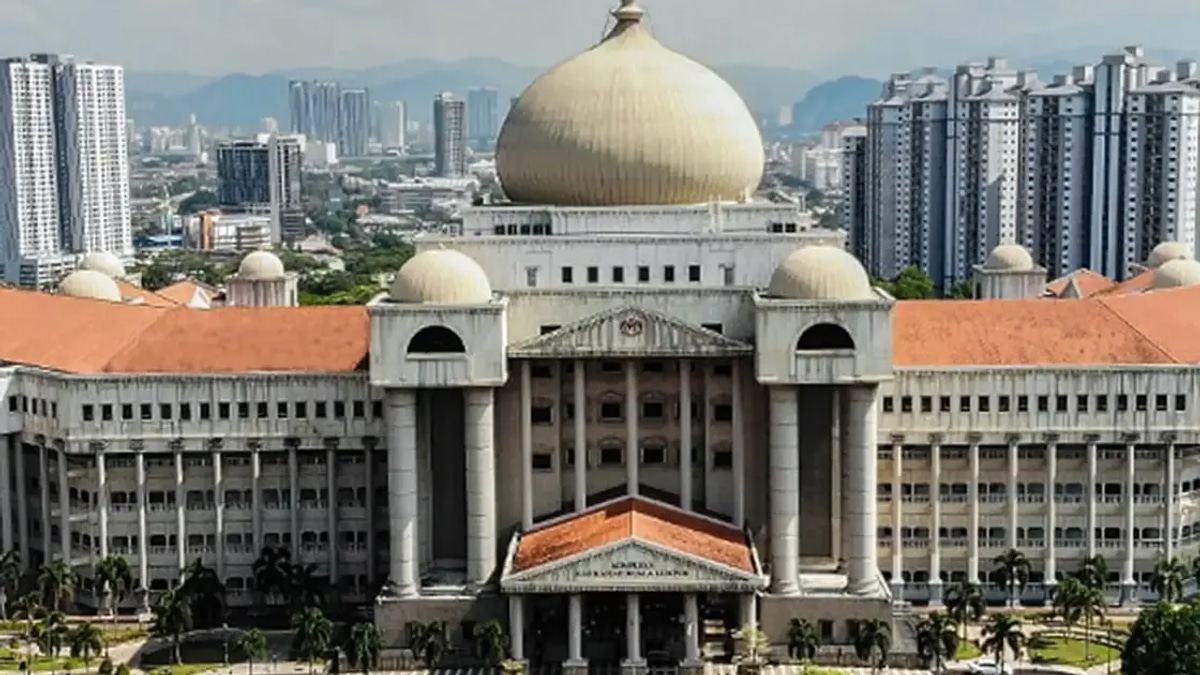
Universiti Malaysia Terengganu (UMT) has moved to safeguard the credibility of Malaysia's public higher education admissions framework, responding robustly to accusations that compromise the transparency of the process. The university's decision to take formal action underscores growing concerns about protecting institutional reputation at a time when public confidence in educational systems faces increasing scrutiny from various quarters.
Zukiferee Ibrahim, director of UMT's Corporate Communications Office, articulated the institution's position in a detailed statement released from the university's Kuala Nerus campus. The university's leadership views with considerable seriousness recent remarks made by Jitra assemblyman Dr Haim Hilman Abdullah, who had publicly suggested that positions at public universities were being exchanged for payment and that students lacking the necessary academic credentials were gaining admission through unofficial channels.
The allegations carry significant implications beyond individual institutions. Should such claims gain traction without adequate scrutiny, they risk damaging the wider perception of Malaysia's higher education sector among prospective students, parents, and international observers. Zukifelee Ibrahim emphasised that unsubstantiated statements regarding illicit admissions practices could fundamentally undermine public trust in how public institutions of higher learning (IPTAs) operate and manage their fundamental duty to maintain equitable access based on merit and established criteria.
At the heart of UMT's response lies a fundamental assertion about how the Malaysian system actually functions. The university stressed that admission procedures across the country's public universities operate through carefully structured mechanisms that demand transparency and adherence to guidelines established by overseeing authorities. These frameworks are designed to ensure that selection processes follow predetermined standards and remain subject to regular oversight. The university's position reflects broader sectoral practices where admissions decisions rest on documented academic achievements and standardised assessment criteria rather than informal arrangements.
Zukifelee Ibrahim called for a more measured approach to such serious allegations, noting that claims of misconduct demand proper investigation grounded in concrete evidence rather than unverified assertions. His statement implied that public figures making such charges bear a responsibility to substantiate their concerns with documented facts, particularly when allegations could prompt widespread doubt about institutional practices. The university's emphasis on evidence-based examination of such matters reflects standards expected in mature public discourse around educational governance.
In response to the allegations, UMT's management took the formal step of filing a police report against Dr Haim Hilman Abdullah, the Kedah state executive councillor, to facilitate a proper, impartial and thorough investigation. This action signals the university's willingness to subject the matter to official scrutiny rather than engage in public dispute. By involving law enforcement, UMT has placed the investigation outside institutional control, lending potential credibility to findings and ensuring that conclusions rest on professional standards rather than institutional self-interest.
The development carries broader significance for Malaysia's higher education landscape. Public universities serve as critical gatekeepers for social mobility and represent major public investments in human capital development. When allegations emerge regarding admission practices, they threaten not only individual institutional credibility but also the confidence that prospective students and families place in the fairness of the entire system. This is particularly consequential in a Southeast Asian context where educational access remains a crucial pathway for economic advancement.
UMT's response reflects a wider institutional consciousness that Malaysia's public universities must actively defend their operational integrity in an era of increased public scrutiny. The university emphasised its ongoing dedication to maintaining the highest standards of honesty, openness and professional credibility within the national higher education framework. This commitment extends beyond protecting UMT's own standing to encompassing the integrity of the entire sector and its capacity to serve students and society effectively.
The situation highlights the tension between safeguarding institutional reputation and addressing legitimate concerns about systemic governance. While UMT's forceful denial and police report demonstrate institutional pushback against allegations, the underlying incident suggests that questions about admissions transparency remain sufficiently prevalent in public discourse to warrant serious attention from both universities and regulatory authorities. Understanding why such allegations gain traction, even if unsubstantiated, could help institutions strengthen their communication regarding admissions procedures and ensure greater public understanding of how merit-based selection actually operates.
For Malaysian and Southeast Asian observers, this episode underscores the importance of robust oversight mechanisms and transparent communication by educational institutions. As the region's universities compete globally and seek to attract both domestic and international enrolments, maintaining genuine integrity in admissions becomes not merely a procedural matter but a strategic imperative. Public confidence in fairness and meritocracy directly influences whether talented students pursue higher education and whether society views degrees as meaningful credentials rather than commodities subject to transaction.