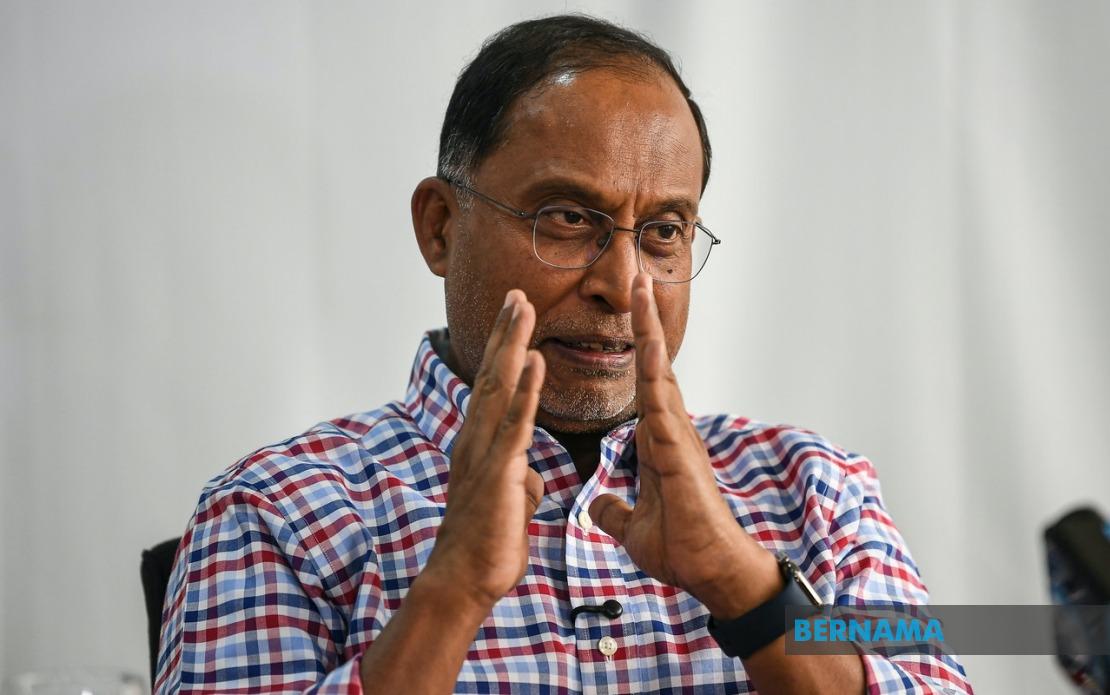
The allegation that between 30,000 and 60,000 students have gained admission to Malaysia's public universities through irregular channels represents a serious threat to the credibility of the nation's entire tertiary education system, according to Higher Education Minister Datuk Seri Dr Zambry Abd Kadir. Speaking in Kuala Lumpur on June 17, the minister characterised such claims as baseless accusations that damage not only the reputational standing of individual institutions but also the public's perception of fairness within the admissions process itself.
Zambry expressed particular concern about the narrative being constructed around these allegations, emphasizing that portraying university places as having been diverted from deserving candidates for personal financial benefit creates a corrosive effect on institutional trust. This messaging carries particular weight given that Malaysia's higher education landscape remains a critical pipeline for social mobility, with admission decisions influencing the academic trajectories and career prospects of hundreds of thousands of young people annually. The erosion of confidence in the system could have downstream consequences for enrolment rates, public investment in universities, and the perceived value of degrees from Malaysian institutions.
The minister was direct in defending the current admission framework, asserting that public universities operate under well-established, merit-based selection mechanisms that prioritise transparency and adherence to published eligibility criteria. According to Zambry, these procedures have been designed to ensure that advancement to tertiary education reflects genuine academic capability and qualification levels rather than connections, financial considerations, or other improper factors. This defence reflects a broader institutional position that the system, as currently constituted, contains sufficient safeguards to prevent the large-scale irregularities being alleged.
Crucially, Zambry called upon those levelling these accusations to furnish concrete evidence substantiating their claims. Rather than viewing such demands as attempts to silence criticism, the minister framed this as a necessary precondition for any serious policy discussion. Without verifiable data, clear methodologies, and documented cases, he argued, allegations remain mere speculation that cannot be meaningfully addressed through either institutional reform or public dialogue. This stance reflects a classic tension between institutional defensiveness and the legitimate public interest in scrutinising higher education access.
The severity with which authorities have responded to these allegations is evident in the decision by several public universities to lodge formal police reports, according to Zambry. This escalation to law enforcement suggests that institutional leaders view the accusations as potentially defamatory and sufficiently significant to warrant criminal investigation. The minister characterised this action not as an attempt to suppress legitimate criticism or restrict freedom of expression, but rather as an effort to channel allegations through appropriate legal and investigative channels where evidence can be properly examined and culpability established.
Zambry drew an important distinction between protected freedom of speech and accountability for unsubstantiated assertions. While acknowledging the fundamental right to public criticism, he stressed that this right does not extend to making inflammatory claims without supporting documentation. Academic and policy discourse, the minister contended, must rest upon solid empirical foundations—data, statistics, and verifiable evidence—rather than assertion and conjecture. This principle carries particular weight in debates concerning institutional integrity, where reputational damage can accumulate rapidly even in the absence of proven wrongdoing.
The question of responsibility featured prominently in Zambry's remarks. Those making these allegations, he indicated, must bear the consequences if they prove unable to substantiate their claims with evidence. This implicit warning carries practical significance, as individuals and organisations making defamatory statements without factual foundation face potential legal liability in Malaysian courts. The minister's position suggests that the burden of proof should rest with accusers rather than with institutions required to defend themselves against vague and sweeping indictments.
Yet the minister also signalled openness to genuine, constructive criticism aimed at enhancing the higher education system's performance and equity. Zambry framed the ministry's position as supportive of dialogue that could identify real weaknesses and drive meaningful reform. However, this receptivity to critique appears conditional: such criticism must be grounded in evidence and motivated by a genuine desire to improve rather than to damage institutional standing or pursue political objectives. This nuanced stance attempts to distinguish between good-faith policy disagreement and what the minister characterises as baseless allegations.
The broader context for these allegations remains significant for Malaysian stakeholders. Public universities serve as vital social institutions providing access to higher education for hundreds of thousands of students, many of whom come from modest socioeconomic backgrounds. Any genuine irregularities in admission processes would represent a betrayal of meritocratic principles and would disadvantage qualified candidates. Simultaneously, unproven claims of widespread impropriety, if left unchallenged, could corrode public confidence even in a fundamentally sound system. This dynamic creates genuine tension between transparency and institutional trust.
Zambry's statement reflects a government commitment to protecting the reputation and perceived integrity of Malaysia's higher education sector. The minister emphasised that the Ministry of Higher Education intends to remain vigilant in safeguarding institutional integrity and preserving public confidence in Malaysia's tertiary education system. This commitment operates at multiple levels: maintaining actual standards and practices, communicating clearly about admission procedures, and responding decisively to allegations that threaten institutional credibility.
The practical implications of this situation extend beyond institutional reputation. If substantial proportions of the Malaysian public come to believe that university admission is determined by factors other than merit, the legitimacy of the degrees awarded by these institutions could be questioned. Employers, both domestic and international, might place less value on Malaysian university credentials. Students themselves might question the fairness of outcomes and the value of their academic achievements. These second-order effects represent genuine concerns motivating official responses.
Moving forward, the challenge for Malaysia's higher education sector involves demonstrating both the integrity of current admissions processes and responsiveness to legitimate concerns about access and equity. This likely requires continued transparency in publishing admission statistics and criteria, accessible appeals mechanisms for candidates, and credible external oversight of selection procedures. The current controversy, regardless of its ultimate resolution, highlights the critical importance of maintaining public confidence through visible commitment to fair, merit-based advancement to tertiary education.