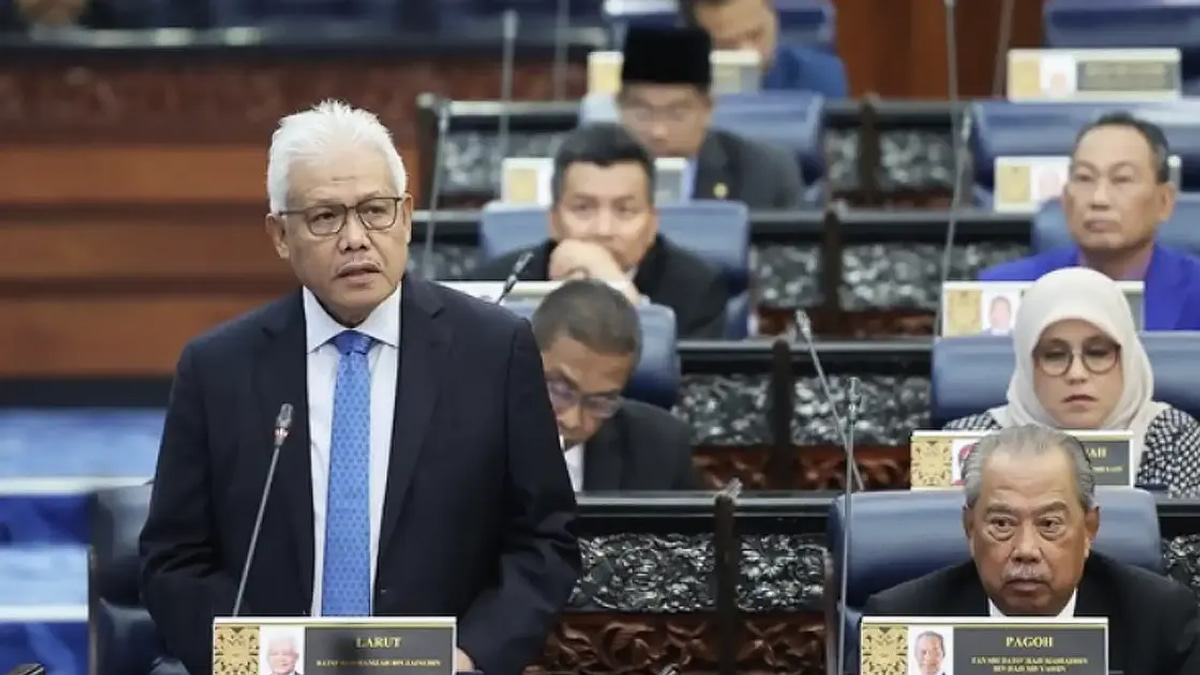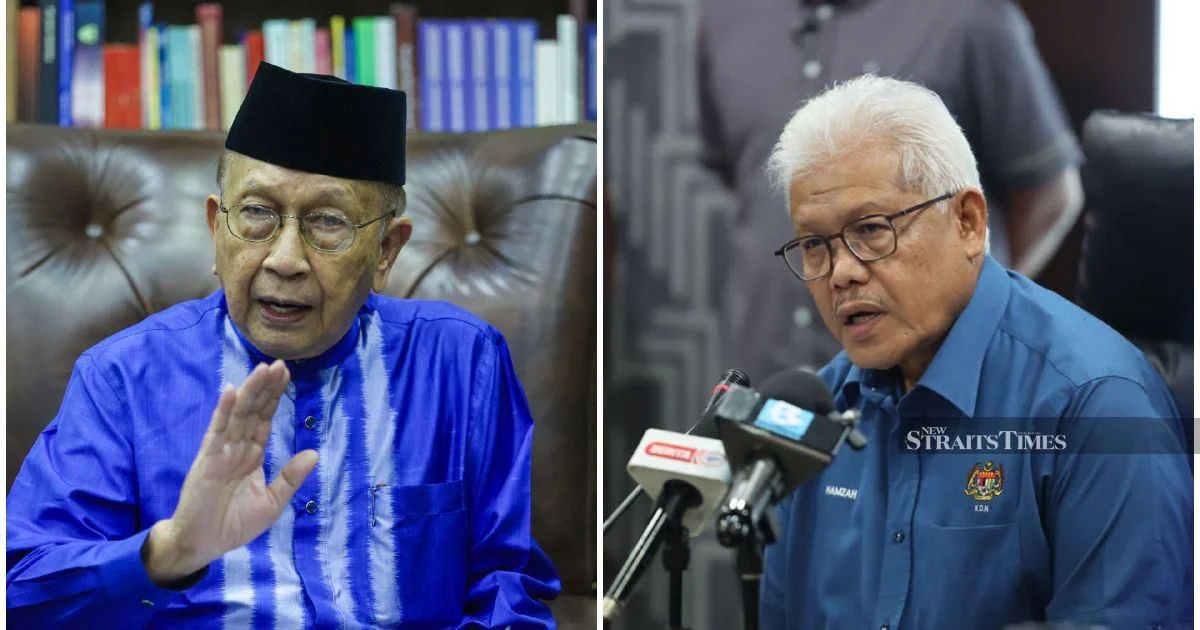
Parti Wawasan Negara has unveiled its full central leadership structure, assembling a coalition of experienced political figures and professional practitioners in an apparent move to establish institutional credibility and governance framework ahead of broader political engagement. The announcement reflects the party's strategy of positioning itself as an alternative political force by drawing on accumulated governmental experience and institutional knowledge from established politicians.
The composition of the leadership line-up suggests a deliberate approach toward building organisational legitimacy. By incorporating former government officials alongside current parliamentary representatives, Wawasan appears to be constructing a leadership cadre capable of addressing substantive policy matters while maintaining electoral credibility. This strategy addresses a persistent challenge for emerging political entities in Malaysia's competitive landscape: establishing immediate institutional authority whilst building from minimal organisational infrastructure.
The inclusion of professionals alongside politicians indicates an attempt to distinguish the party through technocratic governance principles. Malaysian political observers have increasingly noted the importance political parties assign to demonstrating competence through diverse expertise rather than relying solely on traditional patronage or factional arrangements. This professional dimension could signal openness to merit-based decision-making within party structures, a distinction potentially meaningful to urban voters and younger demographics disengaged from conventional political hierarchies.
The participation of current Members of Parliament within the leadership structure provides the party with parliamentary voice and legislative capacity. In Malaysia's multi-party environment, party leadership that includes sitting MPs generates immediate political relevance and facilitates legislative agenda-setting. This integration of parliamentary representation into central decision-making bodies ensures that party positioning on legislative matters receives internal consideration before public statements, theoretically producing more coordinated political messaging.
The presence of former ministers across the leadership hierarchy brings accumulated administrative experience and governmental networks. Former government officials retain institutional knowledge spanning ministerial operations, bureaucratic processes, and policy implementation mechanisms that newer political formations typically lack. Their participation provides technical expertise in translating political commitments into executable governance frameworks—a capacity particularly valuable given Malaysia's relatively complex administrative structures and entrenched institutional processes.
The centralisation of leadership around multiple prominent figures rather than a single dominant authority suggests attempts to address concentration-of-power concerns that have troubled Malaysian political formations historically. Distributed leadership models theoretically reduce factional conflicts and succession disputes that have destabilised Malaysian parties during leadership transitions. Whether this structural arrangement produces genuinely collegial decision-making or merely masks persistent internal hierarchies remains an empirical question for future observation.
This organisational announcement occurs within broader context of Malaysia's shifting political dynamics. The fragmentation of previously consolidated political blocs has created space for new entrants to claim political relevance, particularly entities that position themselves as alternatives to established major parties. Wawasan's timing in consolidating formal leadership structures suggests calculation that Malaysian politics has reached sufficient fragmentation threshold to support new political formations capable of securing voter attention and parliamentary representation.
The geographic focus on Kuala Lumpur as announcement venue indicates concentration on the capital's political significance and urban voter demographics. Malaysian political development increasingly reflects differentiation between urban and rural constituencies, with new political formations frequently originating from urban professional classes. Wawasan's announcement strategy and leadership composition both suggest targeting educated metropolitan voters and professionals seeking alternatives to incumbent political arrangements.
For regional Southeast Asian political analysis, Wawasan's emergence and organisational consolidation reflects broader Asian patterns of political fragmentation and realignment occurring across democracies throughout the region. Countries from Thailand to the Philippines have experienced intensified competition from new political entrants challenging previously hegemonic parties. Whether Wawasan can translate organisational structure into sustained electoral performance remains distinct from successful leadership formalisation, and Malaysian voting patterns have historically constrained new party formation regardless of leadership quality.
The announcement's implications for Malaysia's governing coalitions remain speculative pending election cycles. However, introduction of credible alternative political formations theoretically increases pressure on established parties to address voter dissatisfaction and policy concerns. If Wawasan's leadership team successfully translates veteran status and professional expertise into differentiated political positioning, the party could fragment votes previously consolidated within major parties—particularly if factional disputes within Barisan Nasional or Pakatan Harapan accelerate existing internal tensions.
Stakeholder responses from established parties will likely focus on questioning whether Wawasan's leadership can move beyond organisational announcement toward meaningful political mobilisation and electoral performance. Malaysian political history contains numerous examples of well-intentioned new formations that collapsed under operational pressures or factional disputes despite promising initial leadership structures. Sustained attention to Wawasan's internal coherence, policy development, and grassroots organising capacity will prove more analytically significant than leadership lineup announcements alone.