The Malaysian electorate appears to be shifting away from politicians who rely on provocative statements and sweeping assurances, according to Shahril Hamdan, the former information chief of Umno. His assessment reflects a broader recalibration in how voters evaluate leadership at a moment when the country continues to grapple with economic pressures and social divisions.
Shahril's observation emerges against a backdrop of considerable political turbulence in Malaysia over the past several years. The period since 2018 has witnessed multiple changes in government, competing claims of legitimacy, and recurring instances of partisan confrontation played out in public forums and media spaces. This instability has likely fatigued a portion of the electorate, leading them to prioritise stability and coherent governance over the appeal of radical political messaging.
The political environment has become increasingly competitive, with parties and leaders constantly vying for voter attention through various rhetorical strategies. Candidates who have historically relied on emotionally charged language and audacious policy promises may find their appeal diminished if voters are indeed seeking a different tone and substance in their representatives. This shift could reshape campaign strategies across the political spectrum, forcing contenders to emphasise competence, consistency, and pragmatism rather than dramatic pledges.
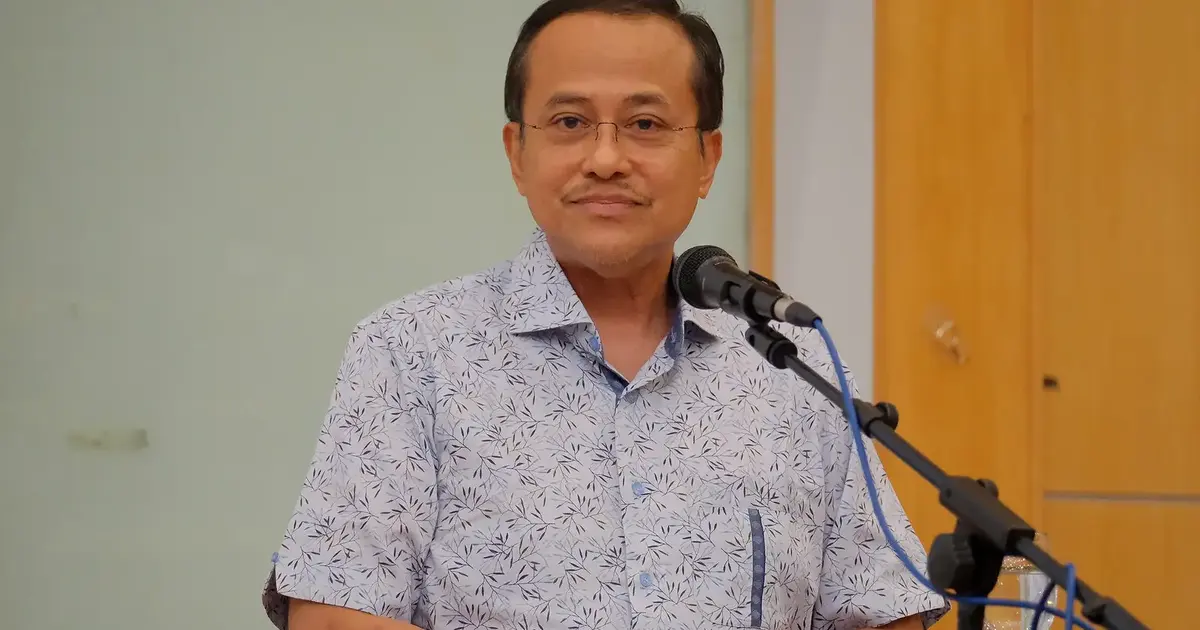
Speaking to this trend, Shahril's comments highlight figures like Samsuri, whose leadership style appears to resonate with a constituency fatigued by political theatre. Leaders who project calm, avoid hyperbolic claims, and demonstrate measured decision-making may increasingly capture voter imagination. This preference for restraint and reasonableness could alter the trajectory of electoral contests, particularly in constituencies where swing voters hold deciding influence.
The timing of such observations is significant for Malaysian politics. As the country approaches future electoral contests and navigates persistent economic challenges, the mood among voters suggests a desire for representatives who can deliver tangible improvements rather than mere rhetoric. Inflation, employment concerns, and cost-of-living pressures dominate household worries, making practical problem-solving more appealing than grandiose declarations that lack grounding in realistic implementation strategies.
Regionally, this phenomenon is not entirely unique to Malaysia. Across Southeast Asia and beyond, electorates in recent years have demonstrated cyclical patterns of receptiveness to different political styles. Following periods of heightened partisan conflict, voters often gravitate toward calmer voices perceived as less divisive. Understanding this dynamic provides insight into how Malaysian voters might respond to different leadership presentations in the coming political cycle.
The implications for political parties are considerable. Campaign structures that have emphasised rallies with charged speeches and populist promises may need recalibration. Instead, parties might achieve greater traction by highlighting track records of administrative competence, detailed policy frameworks, and leadership styles characterised by restraint and evidence-based governance. The shift could particularly benefit incumbent parties capable of pointing to concrete achievements and stable stewardship.
Shahril's position as a former senior party official lends weight to his reading of electoral sentiment. Former information chiefs typically possess sophisticated understanding of public sentiment and media dynamics, having spent years managing party communications and monitoring audience reception. His assessment therefore carries the authority of insider observation, suggesting that this preference for calmer leadership reflects genuine grassroots sentiment rather than passing trend.
Young voters and urban constituencies may prove particularly receptive to measured leadership that avoids divisive rhetoric. These demographics often prioritise substance over performance, and may increasingly reject the theatrical aspects of political engagement. Parties hoping to expand their appeal among these groups might benefit from emphasising policy depth and demonstrating organisational competence rather than pursuing attention-grabbing statements.
The broader question facing Malaysian politics concerns whether this preference for calm persists across electoral cycles or represents a temporary correction following periods of heightened turbulence. If it proves durable, political actors and institutions may experience significant structural adjustment. The incentive structure that has historically rewarded provocative statements and ambitious claims might gradually reshape toward rewarding demonstrated reliability and measured communication.
Moreover, this observation connects to international trends where voters across mature democracies have shown fatigue with conventional populist messaging. Malaysia's apparent movement in this direction suggests the country may be experiencing similar democratic maturation, where the electorate develops more sophisticated expectations of how leaders should conduct themselves publicly and manage their communication with constituents.
Looking forward, the validation of measured leadership styles could establish new norms for Malaysian political discourse. If voters continue rewarding calm, pragmatic candidates over bombastic counterparts, the character of public debate might gradually moderate. Such transformation would require patience, as political habits formed over years cannot shift overnight, but the emerging preference Shahril identifies suggests the groundwork for such change may already be in place.