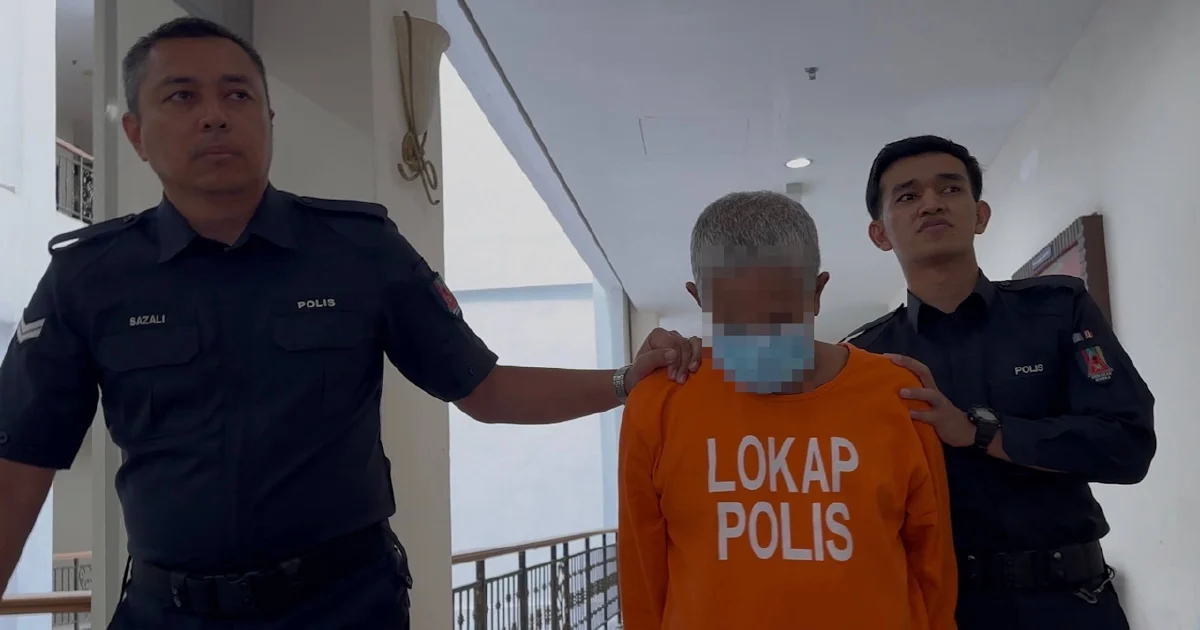
A Sessions Court in Muar handed down a lengthy 33-year prison sentence combined with 14 strokes of the cane to a 67-year-old man who admitted to raping and sexually assaulting his two granddaughters. The severity of the punishment reflects the gravity of the offences and the breach of familial trust that characterised the case. The pensioner's guilty plea, entered before the court, brought proceedings to conclusion without requiring the children to testify, sparing them further trauma through the trial process.
The conviction centred on five distinct counts of rape and sexual assault perpetrated against the two young victims over an unspecified period. Family abuse cases involving elderly perpetrators raise significant concerns about vulnerability within household settings, particularly where children are dependent on adult caregivers. The jurisdiction of the Sessions Court in Muar demonstrates how such serious crimes are treated with appropriate seriousness within Malaysia's judicial framework, with sentences calibrated to reflect both punishment and deterrence.
Corporal punishment in the form of caning remains a sentencing option available to Malaysian courts in cases involving sexual offences. The 14 strokes imposed alongside the prison term underscore judicial intention to condemn the conduct comprehensively. Such sentences typically generate public discourse regarding the effectiveness of combined punishments in addressing serious violent crime, particularly when victims are minors and the perpetrator holds a position of authority within the family structure.
Family violence and child abuse represent ongoing challenges within Southeast Asian societies, where underreporting remains endemic due to shame, fear, and complex family dynamics. The Muar case illustrates how intergenerational harm can manifest when safeguarding mechanisms fail. Schools, healthcare providers, and community organisations increasingly recognise their responsibility in identifying and reporting suspected abuse, yet barriers to disclosure persist, particularly when the perpetrator is a respected elder or primary household authority figure.
The 33-year custodial term effectively removes the offender from society during his remaining productive years, with release unlikely before advanced age. Sentencing frameworks in Malaysia for sexual offences against children have progressively strengthened, reflecting evolving social recognition that such crimes warrant substantial incapacity periods. The combination of imprisonment length and corporal punishment represents a comprehensive approach to accountability that Malaysian courts employ when dealing with offences involving vulnerable victims.
Granddaughters and other child relatives occupy particular positions within Asian family structures, often relying heavily on grandparents for childcare and daily supervision. When such relationships become vehicles for abuse, the psychological and emotional consequences extend beyond the immediate criminal acts. Survivors frequently experience disrupted family bonds, complicated grief, and long-term trauma that extends into adulthood, affecting educational outcomes, relationship formation, and mental health resilience.
The guilty plea mechanism employed here allowed the court process to conclude more swiftly than contested trials typically permit. This approach, while expediting justice, depends on genuine acceptance of responsibility rather than coerced admission. Courts in Malaysia routinely consider whether guilty pleas reflect authentic remorse or merely strategic litigation positioning, with sentencing adjusted accordingly. The severity of the sentence imposed suggests the court did not interpret the plea as demonstrating meaningful contrition.
Child protection authorities in Johor, where Muar is located, will likely review their intervention protocols following high-profile cases such as this. While prosecution represents essential accountability, prevention through early identification and intervention proves equally crucial. Teacher training, healthcare worker education, and community awareness campaigns increasingly emphasise recognising behavioural indicators of abuse, empowering adults to intervene protective before criminal thresholds are crossed.
The sentence carries implications for broader criminal justice policy discussions. Malaysia's sentencing framework for sex crimes reflects international standards while incorporating cultural and religious considerations particular to the Malaysian context. As jurisprudence develops around child protection, courts establish precedents that inform future cases, with landmark judgments shaping prosecutorial strategy and victim advocacy approaches across the region.
Families and communities affected by disclosures of intrafamily abuse often require comprehensive support systems extending beyond criminal prosecution. Counselling services, safe housing, legal aid, and psychological intervention for surviving family members comprise essential elements of trauma-informed response frameworks. Malaysian civil society organisations increasingly advocate for integrated victim support, recognising that criminal justice outcomes, while important, constitute only one component of survivor recovery and family restoration.