Police in Rajasthan's Dholpur district have launched a criminal investigation into what authorities suspect is an honour killing, following the deaths of two young women who were allegedly thrown into a river by members of their own family. The case emerged publicly on Friday when law enforcement confirmed they had received complaints regarding the incident, which took place on June 11 near Sagarpada Bridge in the district.
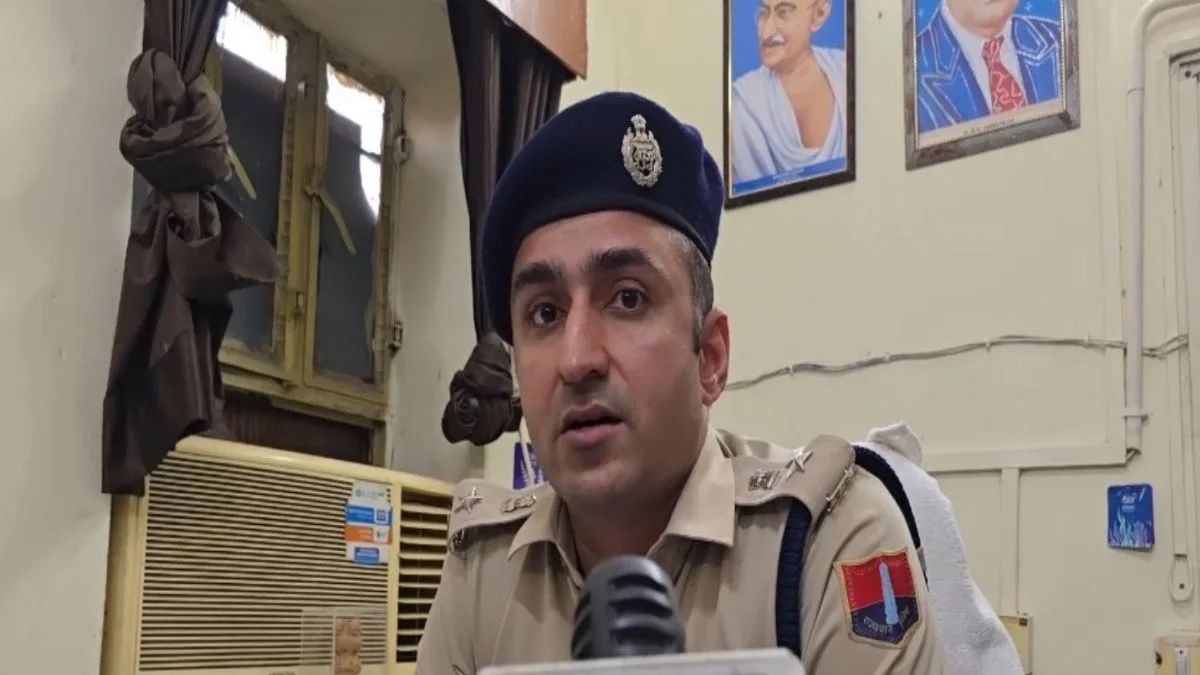
According to preliminary police findings, investigators have identified the women's father and several other relatives as suspects in connection with the deaths. Superintendent of Police Vikas Sangwan revealed that Bharat Lodha, a resident of Pharakpur village and father of four, is the primary suspect in the alleged killing of two of his daughters. The police response came after receiving specific information about the incident, prompting teams to examine the scene and gather initial evidence.
The motive behind the alleged crime appears rooted in family disapproval of the victims' romantic relationship. Police investigation documents indicate that the young women were targeted because they were engaged in a romantic involvement that their family members did not sanction. This detail has prompted authorities to pursue the honour killing angle as a central investigative thread, reflecting a troubling pattern seen across parts of northern India where family-orchestrated violence remains linked to issues of relationship autonomy and social convention.
The timing of the alleged incident places it around 9 to 10 in the evening on June 11, according to current police assessments. Authorities believe the women were taken to the bridge location and subsequently pushed into the river below. However, Sangwan emphasised that investigators continue to verify multiple aspects of the circumstances, including the precise timeline, the manner in which the victims were transported to the location, and the identities of all individuals involved in the alleged crime.
Police have begun reconstructing the sequence of events leading up to the deaths. Investigators are examining crucial procedural details such as which route was used to transport the victims, what type of vehicle was involved, and who accompanied them to Sagarpada Bridge. These investigative steps are essential for establishing a complete narrative of events and identifying all family members who may have participated in or facilitated the alleged killing. The authorities have indicated that multiple family members are under suspicion, suggesting this was not an isolated act but potentially a coordinated family decision.
The investigation into this Dholpur case reflects broader concerns about honour-related violence in parts of India. Such killings typically occur when families view the autonomy and relationship choices of their female members as bringing shame or damaging family honour within their community. The pattern of violence, particularly when daughters choose partners against parental wishes or marry outside prescribed social boundaries, remains a persistent criminal phenomenon despite legal protections and awareness campaigns.
For Malaysian and Southeast Asian observers, this case underscores challenges that persist in parts of South Asia regarding women's rights and family autonomy. While Malaysia has its own distinct legal and social frameworks governing family matters, the Rajasthan case highlights how in some jurisdictions, traditional notions of family honour continue to override legal protections for individuals. The comparison serves as a reminder of the progress Malaysian society has made in establishing legal safeguards for women, though challenges in domestic violence prevention remain relevant across the region.
Police teams have continued collecting forensic evidence from the crime scene and conducting interviews with individuals connected to the case. Sangwan stated that while preliminary information suggests family involvement and a motive centred on disapproved relationships, investigators are maintaining an open investigative approach and verifying all gathered details before finalising charges. The officer emphasised that the full picture of events would emerge as investigation progresses.
The Dholpur police have indicated that formal legal action will be determined by the findings of their ongoing inquiry. Given the severity of the allegations and the involvement of multiple family members, authorities are likely to pursue charges under sections of the Indian Penal Code related to murder, conspiracy, and potentially provisions addressing honour-related crimes. The case will proceed through Rajasthan's criminal justice system, where prosecution will need to establish motive, means, and opportunity for each accused individual.
This incident highlights the continued vulnerability of women in certain communities where family honour remains prioritised above individual autonomy and personal safety. Advocacy organisations working on women's rights have long documented how honour-related violence disproportionately affects young women exercising relationship autonomy. The Dholpur case, once fully investigated and adjudicated, will likely contribute to ongoing discussions within India about strengthening protections for women against family-orchestrated violence and ensuring that criminal justice mechanisms effectively address such crimes.